Automation Playbooks
2 Way Matching in Accounts Payable: Complete Guide 2026
Master 2 way matching in accounts payable with our comprehensive guide. Learn implementation, benefits & automation for Indian businesses. Get started today!
Indian businesses lose approximately ₹2.5 lakh crore annually to invoice fraud and processing errors, according to recent industry estimates. At the heart of preventing these losses lies a critical financial control process: 2 way matching in accounts payable. This systematic verification method has become the backbone of modern financial operations, particularly as Indian companies navigate complex GST compliance requirements and digital transformation initiatives.
What is 2 Way Matching in Accounts Payable?
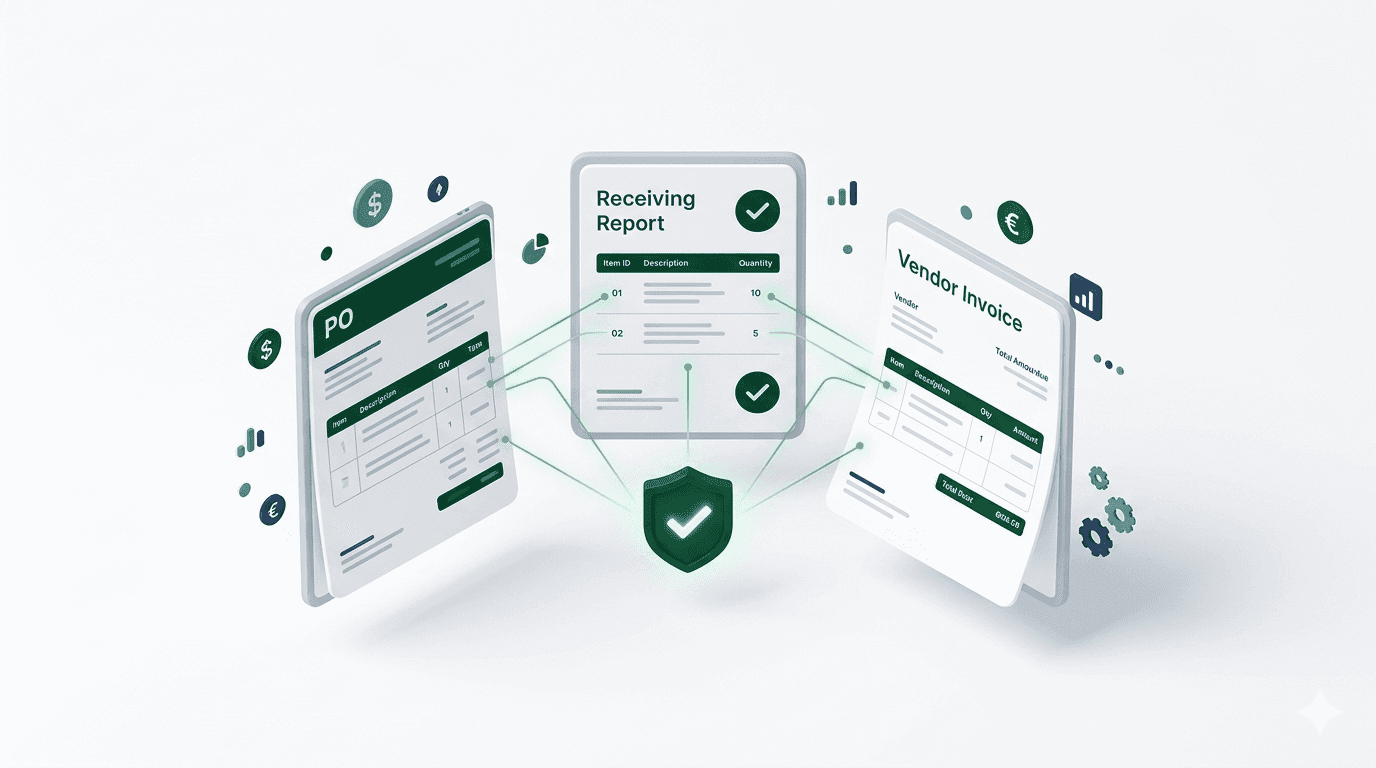
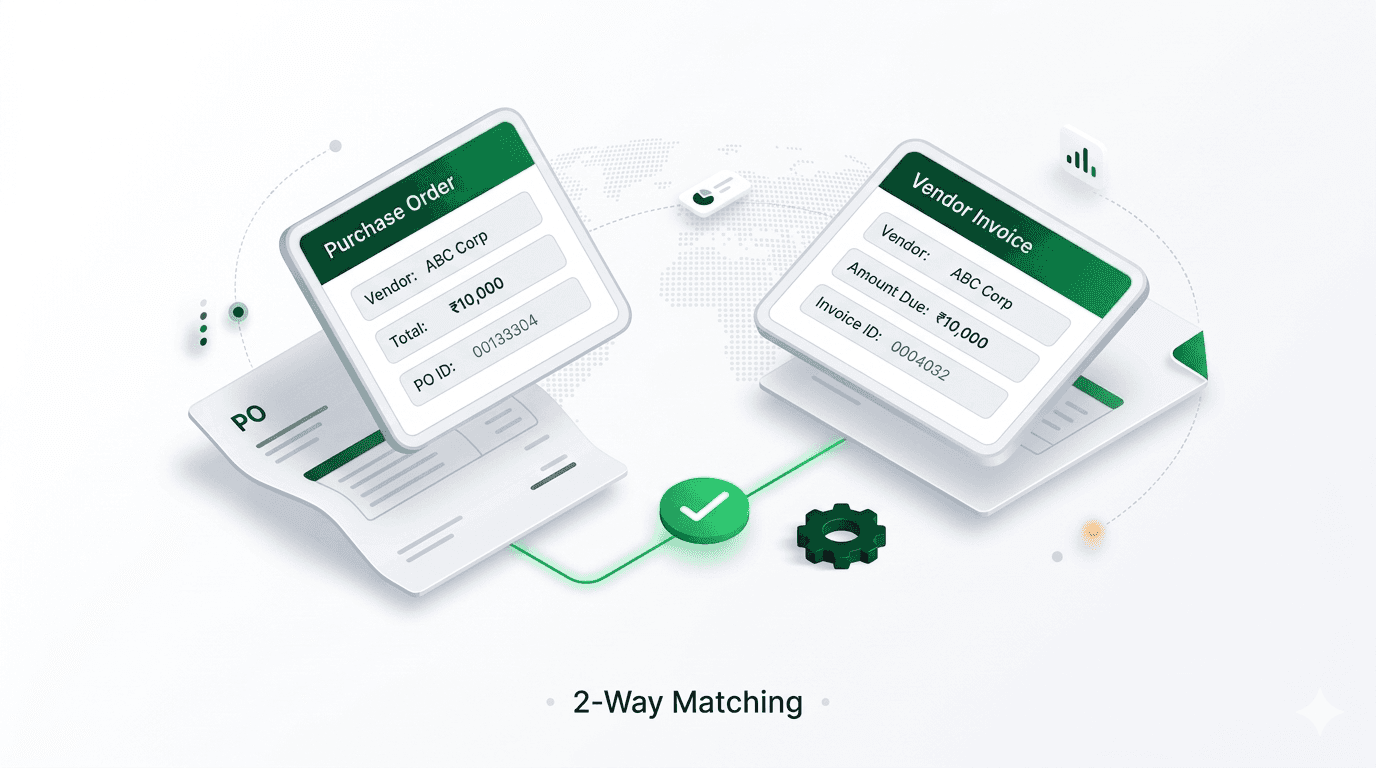
2 way matching in accounts payable is a verification process that compares two key documents before approving invoice payments: the purchase order and the vendor invoice. This financial control mechanism ensures that businesses only pay for goods and services they actually ordered, at the agreed-upon prices and terms.
Unlike traditional manual invoice processing where finance teams might approve payments based solely on invoice details, 2 way matching creates a systematic checkpoint. The process involves cross-referencing specific data points between the purchase order (created when ordering goods or services) and the invoice (received from the vendor) to identify discrepancies before payment approval.
This matching process serves as a critical fraud prevention tool and financial control mechanism. By requiring documentary evidence that purchases were authorised before payment, organisations significantly reduce the risk of paying duplicate invoices, fraudulent bills, or charges for goods never ordered. For Indian businesses operating under strict GST compliance requirements, this verification process also ensures proper documentation for tax credit claims and audit trails.
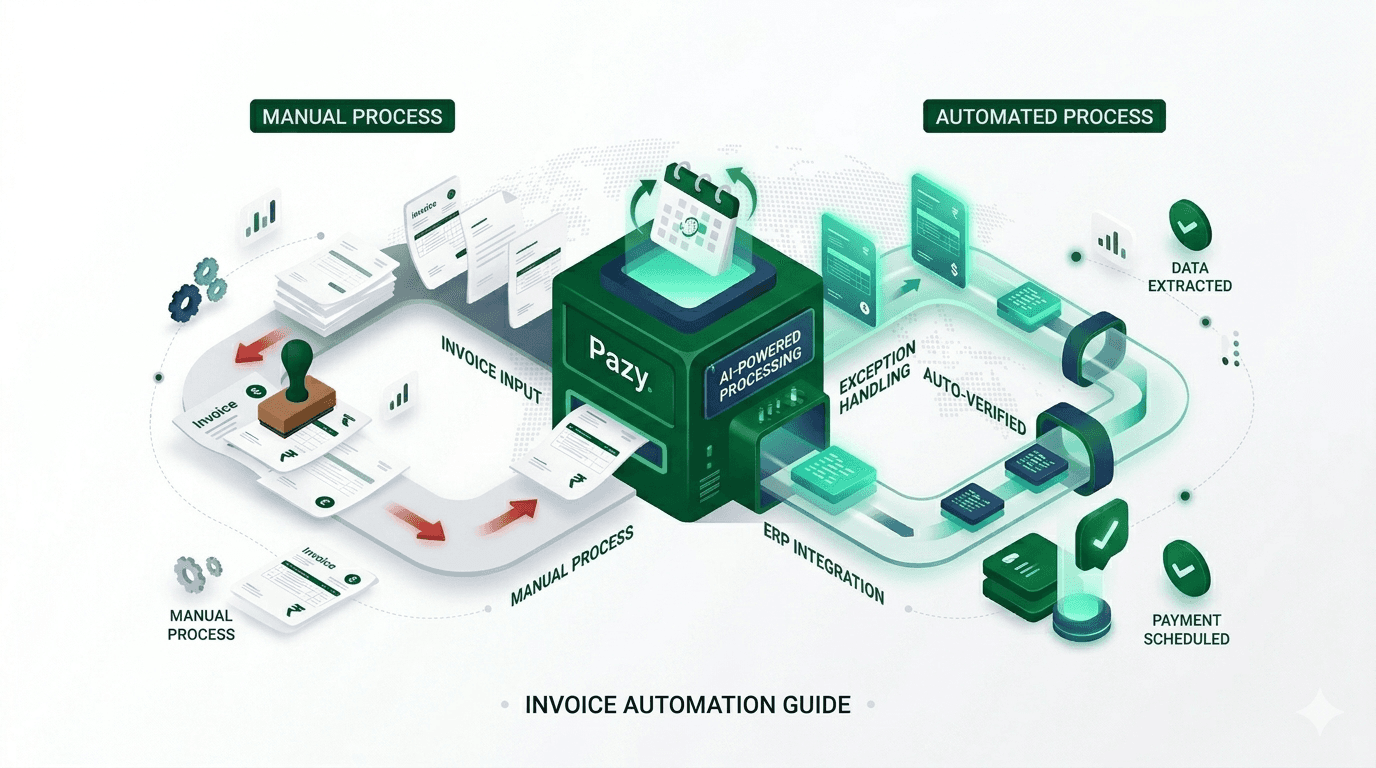
The fundamental difference between 2 way matching and manual processing lies in the systematic verification approach. While manual processing relies on individual judgment and memory, 2 way matching creates standardised checkpoints that every invoice must pass before payment approval, regardless of the processor's experience level or workload pressure.
How 2 Way Matching Works: Step-by-Step Process
The 2 way matching process follows a structured workflow designed to catch discrepancies before they result in incorrect payments. The system begins when a vendor submits an invoice for payment, triggering an automated or manual comparison against the corresponding purchase order.
During the document comparison phase, the system examines critical data points including vendor details, invoice amounts, item descriptions, quantities, and pricing. Advanced matching systems can handle variations in formatting and minor discrepancies within predefined tolerance levels, while flagging significant differences for manual review.
The approval workflow varies based on matching results. When documents align perfectly within acceptable tolerance ranges, the system can automatically approve invoices for payment. However, when discrepancies exceed tolerance thresholds, the invoice enters an exception handling process where designated personnel investigate and resolve differences before payment proceeds.
Modern ERP systems integrate seamlessly with 2 way matching processes, automatically pulling purchase order data and comparing it against incoming invoices. This integration eliminates manual data entry while maintaining comprehensive audit trails for compliance purposes. The system typically generates detailed reports showing matching results, exception reasons, and resolution actions for each processed invoice.
Document Verification Points in 2 Way Matching
Vendor verification forms the foundation of effective 2 way matching. The system compares vendor names, addresses, and identification numbers between purchase orders and invoices to ensure payments reach legitimate suppliers. This verification becomes particularly crucial in preventing vendor impersonation fraud, where criminals create fake invoices using slight variations of legitimate vendor details.
Amount matching represents the most critical verification point, comparing invoice totals against purchase order values. The system typically allows for predefined tolerance ranges to accommodate minor variations due to taxes, shipping charges, or approved change orders. When amounts exceed tolerance thresholds, the invoice requires manual review and approval from authorised personnel.
Item description and quantity verification ensures businesses receive what they ordered. The matching process compares product codes, descriptions, and quantities between documents, flagging discrepancies for investigation. This verification prevents overpayment for undelivered goods and catches potential billing errors before payment.
For Indian businesses, GST compliance checks have become integral to the matching process. The system verifies that vendor GST numbers match between purchase orders and invoices, ensuring proper tax credit eligibility. Additionally, the matching process validates that HSN codes and tax rates align with purchase order specifications, maintaining compliance with GST regulations and supporting accurate tax filings.
2 Way vs 3 Way vs 4 Way Matching: Key Differences
Understanding the distinctions between matching methods helps organisations choose the appropriate level of verification for their specific needs and risk tolerance. Each approach offers different levels of control and complexity, with corresponding impacts on processing time and costs.
2 way matching compares purchase orders against invoices, providing basic verification that purchases were authorised and amounts are correct. This method works effectively for service purchases, digital products, or situations where goods receipt verification isn't practical or necessary.
3 way matching adds goods receipt verification to the process, comparing purchase orders, invoices, and delivery receipts. This additional verification ensures that businesses only pay for goods actually received, making it ideal for physical product purchases where delivery confirmation is critical.
4 way matching incorporates inspection reports as a fourth verification point, adding quality confirmation to the process. This comprehensive approach suits high-value purchases, critical components, or industries where quality verification is mandatory before payment approval.
For Indian SMEs, the cost-benefit analysis often favours 2 way matching for service purchases and 3 way matching for physical goods. The additional complexity of 4 way matching typically justifies its implementation only for high-value purchases exceeding ₹10 lakh or critical quality-sensitive components.
Industry-specific recommendations vary significantly. Manufacturing companies typically implement 3 way matching for raw materials and 2 way matching for services. IT services firms often rely primarily on 2 way matching given the intangible nature of their purchases. Retail chains frequently use 3 way matching for inventory purchases while applying 2 way matching for utilities and professional services.
Benefits of 2 Way Matching for Indian Businesses
Fraud prevention stands as the primary benefit of implementing 2 way matching processes. Indian businesses report average fraud reduction of 65-80% after implementing systematic matching procedures. The process effectively prevents common fraud schemes including duplicate invoice payments, vendor impersonation, and unauthorised purchase approvals.
Financial control improvements extend beyond fraud prevention to encompass budget management and spending oversight. Organisations implementing 2 way matching typically report 15-25% improvement in budget adherence as the process ensures all payments align with approved purchases and authorised spending limits.
Processing efficiency gains become apparent as teams spend less time investigating discrepancies and resolving payment disputes. Companies report average processing time reductions of 40-60% for routine invoices, allowing finance teams to focus on strategic activities rather than manual verification tasks.
Vendor relationship improvements result from faster, more accurate payment processing. When matching processes work effectively, legitimate invoices move through approval workflows quickly, improving payment timing and reducing vendor inquiries about payment status. This efficiency particularly benefits Indian businesses where maintaining strong vendor relationships is crucial for operational success.
Real-world cost savings examples demonstrate substantial financial impact. A Mumbai-based manufacturing company with ₹50 crore annual turnover reported saving ₹12 lakh annually through fraud prevention and processing efficiency improvements. Similarly, a Bengaluru IT services firm reduced accounts payable processing costs by ₹8 lakh per year while improving payment accuracy by 95%.
Compliance Benefits Under Indian Regulations
GST compliance benefits represent a significant advantage for Indian businesses implementing 2 way matching. The systematic verification process ensures that input tax credit claims are supported by proper documentation, reducing the risk of GST audit issues and penalties. The matching process validates vendor GST numbers, HSN codes, and tax calculations before payment approval.
MCA compliance requirements for corporate governance are better met through systematic matching processes that create comprehensive audit trails. The documented verification process demonstrates due diligence in financial controls, supporting compliance with Companies Act requirements for internal financial controls and board oversight.
Audit trail maintenance becomes automatic with properly implemented matching systems. Every verification step, approval decision, and exception resolution is documented, creating detailed records that satisfy both internal and external audit requirements. This documentation proves particularly valuable during RBI inspections or statutory audits.
RBI guidelines for payment processing are better supported through systematic verification procedures that ensure payments are made only for legitimate business purposes with proper authorisation. The matching process creates the documentation necessary to demonstrate compliance with foreign exchange regulations and payment authorisation requirements.
Common Challenges in 2 Way Matching Implementation
Data quality issues represent the most significant challenge facing organisations implementing 2 way matching processes. Inconsistent vendor information, varying product descriptions, and incomplete purchase order details can cause legitimate invoices to fail matching criteria, creating unnecessary exceptions and delays.
Manual matching bottlenecks occur when organisations attempt to implement matching processes without adequate automation support. Finance teams can become overwhelmed processing exceptions and resolving discrepancies, potentially creating delays that harm vendor relationships and operational efficiency.
Exception handling complexities arise when organisations lack clear procedures for investigating and resolving matching discrepancies. Without standardised workflows and escalation procedures, exceptions can languish unresolved, creating payment delays and administrative inefficiencies.
Training and change management challenges emerge as staff members adapt to new verification procedures and system requirements. Resistance to change, inadequate training, or unclear process documentation can undermine implementation success and create ongoing operational difficulties.
Integration challenges with legacy systems can create technical barriers to effective matching implementation. Older ERP systems may lack the flexibility to support automated matching workflows, requiring custom development or system upgrades that increase implementation complexity and costs.
Automating 2 Way Matching: Technology Solutions
Artificial intelligence and machine learning technologies are revolutionising 2 way matching capabilities by enabling systems to learn from historical matching patterns and improve accuracy over time. AI-powered matching can handle variations in vendor naming conventions, product descriptions, and formatting differences that would traditionally require manual intervention.
OCR (Optical Character Recognition) technology streamlines invoice processing by automatically extracting data from PDF invoices and paper documents. Advanced OCR systems can handle various invoice formats, languages, and layouts while maintaining high accuracy rates for data extraction and matching.
ERP integration capabilities ensure seamless data flow between purchasing, receiving, and accounts payable systems. Modern matching solutions integrate with popular ERP platforms used by Indian businesses, including SAP, Oracle, and local solutions, eliminating manual data entry and ensuring data consistency.
Cloud-based solutions offer advantages in terms of scalability, maintenance, and accessibility, while on-premise solutions provide greater control over data security and customisation. The choice between deployment models often depends on organisation size, security requirements, and IT infrastructure capabilities.
ROI calculations for automation investment typically show payback periods of 12-18 months for mid-sized Indian businesses. Organisations investing ₹15-25 lakh in matching automation report annual savings of ₹20-35 lakh through reduced processing costs, fraud prevention, and efficiency improvements.
Choosing the Right Automation Platform
Key features to evaluate when selecting matching automation platforms include accuracy rates, exception handling capabilities, integration options, and scalability. The platform should handle various invoice formats, support multiple languages, and provide comprehensive reporting and analytics capabilities.
Scalability considerations become crucial for growing businesses that need systems capable of handling increasing transaction volumes without performance degradation. The platform should support additional users, vendors, and transaction volumes as business requirements evolve.
Integration with Indian payment systems including UPI, NEFT, and RTGS ensures that approved invoices can be processed through preferred payment channels. The automation platform should support various payment methods and integrate with banking systems commonly used by Indian businesses.
Vendor evaluation criteria should encompass technical capabilities, implementation support, ongoing maintenance, and local presence in India. Organisations should assess vendor financial stability, customer references, and ability to provide timely support during implementation and ongoing operations.
Best Practices for 2 Way Matching Success
Setting appropriate matching tolerances and thresholds requires careful balance between control and efficiency. Tolerances that are too tight create excessive exceptions, while loose tolerances may allow significant discrepancies to pass undetected. Most organisations start with 5-10% tolerance ranges for amounts and adjust based on experience and risk appetite.
Creating efficient approval workflows involves defining clear roles, responsibilities, and escalation procedures for different types of discrepancies. The workflow should specify who can resolve various exception types, maximum resolution timeframes, and escalation paths for unresolved issues.
Training finance teams and stakeholders requires comprehensive programmes covering system operation, exception handling procedures, and escalation protocols. Ongoing training ensures that staff members stay current with system updates and process improvements while maintaining high performance standards.
Monitoring and measuring performance through key performance indicators (KPIs) provides insights into matching effectiveness and identifies improvement opportunities. Important metrics include matching accuracy rates, exception resolution times, processing costs per invoice, and vendor payment timing.
Continuous improvement strategies involve regular review of matching rules, tolerance settings, and process workflows based on performance data and user feedback. Organisations should conduct quarterly reviews to identify optimisation opportunities and implement system enhancements.
Industry Case Studies: 2 Way Matching in Action
A Chennai-based manufacturing company with ₹50 crore annual turnover implemented automated 2 way matching to address growing invoice processing challenges. The company processed approximately 2,500 invoices monthly across 150 vendors, with manual verification consuming 40 hours per week of finance team time.
The implementation involved integrating matching software with their existing ERP system and establishing tolerance thresholds of 5% for amount variations and zero tolerance for vendor mismatches. Training covered 12 finance team members over two weeks, with parallel processing during the first month to ensure accuracy.
Results after six months showed remarkable improvements: 85% of invoices now process automatically without manual intervention, processing time per invoice decreased from 15 minutes to 3 minutes, and fraud prevention saved an estimated ₹8 lakh annually. The company also reported improved vendor relationships due to faster payment processing.
A Pune-based IT services firm implemented 2 way matching primarily for compliance and control purposes, processing 800 invoices monthly from 75 vendors. Their implementation focused on service invoices, subscription payments, and professional services where goods receipt verification wasn't applicable.
The firm achieved 92% automatic matching rates within three months, reduced invoice processing costs by ₹6 lakh annually, and improved GST compliance through systematic verification of vendor details and tax calculations. Exception resolution time decreased from 3 days to 6 hours on average.
A Delhi-based retail chain automated matching for their 300-location network, processing over 5,000 invoices monthly from 400 vendors. The implementation included integration with their centralised purchasing system and point-of-sale systems for comprehensive verification.
The retail chain reported 78% automatic matching rates, annual savings of ₹15 lakh through fraud prevention and efficiency improvements, and significantly improved audit readiness. The system's ability to handle high transaction volumes while maintaining accuracy proved crucial for their operational success.
Future of 2 Way Matching in Indian Finance
Emerging technologies including blockchain, advanced AI, and robotic process automation are poised to transform 2 way matching capabilities over the next five years. Blockchain technology could enable immutable audit trails and automated smart contract execution for routine payments, while advanced AI will improve exception handling and predictive analytics.
Integration with digital payment ecosystems will become increasingly sophisticated, with matching systems directly triggering payments through UPI, NEFT, and emerging digital payment platforms. This integration will reduce payment processing time from days to hours while maintaining comprehensive verification controls.
Regulatory developments in India are likely to increase emphasis on systematic financial controls and audit trails, making 2 way matching implementation more critical for compliance. Expected changes to GST regulations and corporate governance requirements will likely mandate more rigorous invoice verification procedures.
Predictions for the next five years include widespread adoption of AI-powered matching systems, integration with government compliance platforms, and emergence of industry-specific matching solutions. Small and medium businesses will gain access to enterprise-grade matching capabilities through cloud-based platforms, while large organisations will implement more sophisticated multi-way matching processes.
The evolution toward real-time matching and payment processing will transform accounts payable operations, enabling same-day payment cycles while maintaining comprehensive verification controls. This transformation will particularly benefit Indian businesses operating in fast-paced industries where payment timing affects competitive positioning.
Frequently Asked Questions
What is the difference between 2 way and 3 way matching in accounts payable?
2 way matching compares purchase orders against invoices to verify that purchases were authorised and amounts are correct. 3 way matching adds a third verification point by including goods receipt confirmation, ensuring that businesses only pay for goods actually received. While 2 way matching works well for services and digital products, 3 way matching is typically preferred for physical goods where delivery verification is important. The choice between methods depends on the nature of purchases, risk tolerance, and operational requirements.
How does 2 way matching help with GST compliance in India?
2 way matching supports GST compliance by systematically verifying vendor GST numbers, HSN codes, and tax calculations before payment approval. The process ensures that input tax credit claims are supported by proper documentation from authorised vendors with valid GST registrations. Additionally, the comprehensive audit trail created by matching systems provides the documentation necessary for GST audits and helps prevent issues with tax credit claims. This systematic verification reduces the risk of GST penalties and supports accurate tax filings.
What are the typical costs of implementing 2 way matching automation?
Implementation costs for 2 way matching automation in India typically range from ₹10-30 lakh for mid-sized businesses, depending on transaction volumes, integration complexity, and feature requirements. This includes software licensing, implementation services, training, and initial customisation. Cloud-based solutions often have lower upfront costs with monthly subscription fees of ₹50,000-2 lakh, while on-premise solutions require higher initial investment but lower ongoing costs. Most organisations achieve payback within 12-18 months through processing efficiency gains and fraud prevention.
Can small businesses benefit from 2 way matching processes?
Small businesses can significantly benefit from 2 way matching, even with limited transaction volumes. The fraud prevention and control benefits often justify implementation costs, particularly for businesses processing 200+ invoices monthly. Cloud-based solutions make matching automation accessible to smaller organisations with monthly costs starting around ₹25,000. Even manual 2 way matching processes provide substantial benefits for small businesses by creating systematic verification procedures and improving financial controls without significant technology investment.
How long does it take to implement automated 2 way matching?
Automated 2 way matching implementation typically takes 2-4 months for most Indian businesses, depending on system complexity and integration requirements. The process includes system configuration (2-4 weeks), data migration and testing (3-4 weeks), user training (1-2 weeks), and parallel processing for validation (2-4 weeks). Cloud-based solutions generally have faster implementation timelines, while complex ERP integrations may require additional time. Organisations should plan for gradual rollout with pilot testing before full deployment to ensure successful adoption.
The implementation of 2 way matching in accounts payable represents a fundamental shift toward systematic financial controls that Indian businesses can no longer afford to ignore. As regulatory requirements become more stringent and fraud risks continue to evolve, organisations that embrace comprehensive matching processes will gain significant competitive advantages through improved efficiency, reduced costs, and enhanced compliance capabilities.
The evidence from successful implementations across various industries demonstrates that 2 way matching delivers measurable returns on investment while strengthening financial controls and vendor relationships. Whether through manual processes for smaller organisations or automated solutions for larger enterprises, the systematic verification approach provides a foundation for sustainable financial operations in an increasingly complex business environment.
For Indian businesses ready to transform their accounts payable operations, Pazy offers comprehensive automation solutions designed specifically for the Indian market. With features optimised for GST compliance, integration with local payment systems, and support for multiple languages, Pazy enables organisations to work smarter, not harder, while tracking every rupee spent across their business operations.
OTHER BLOGS