Automation Playbooks
Vendor Master Data Management Software: Complete Guide 2026
Discover how vendor master data management software streamlines supplier information, ensures compliance, and reduces costs. Compare top solutions for Indian businesses.
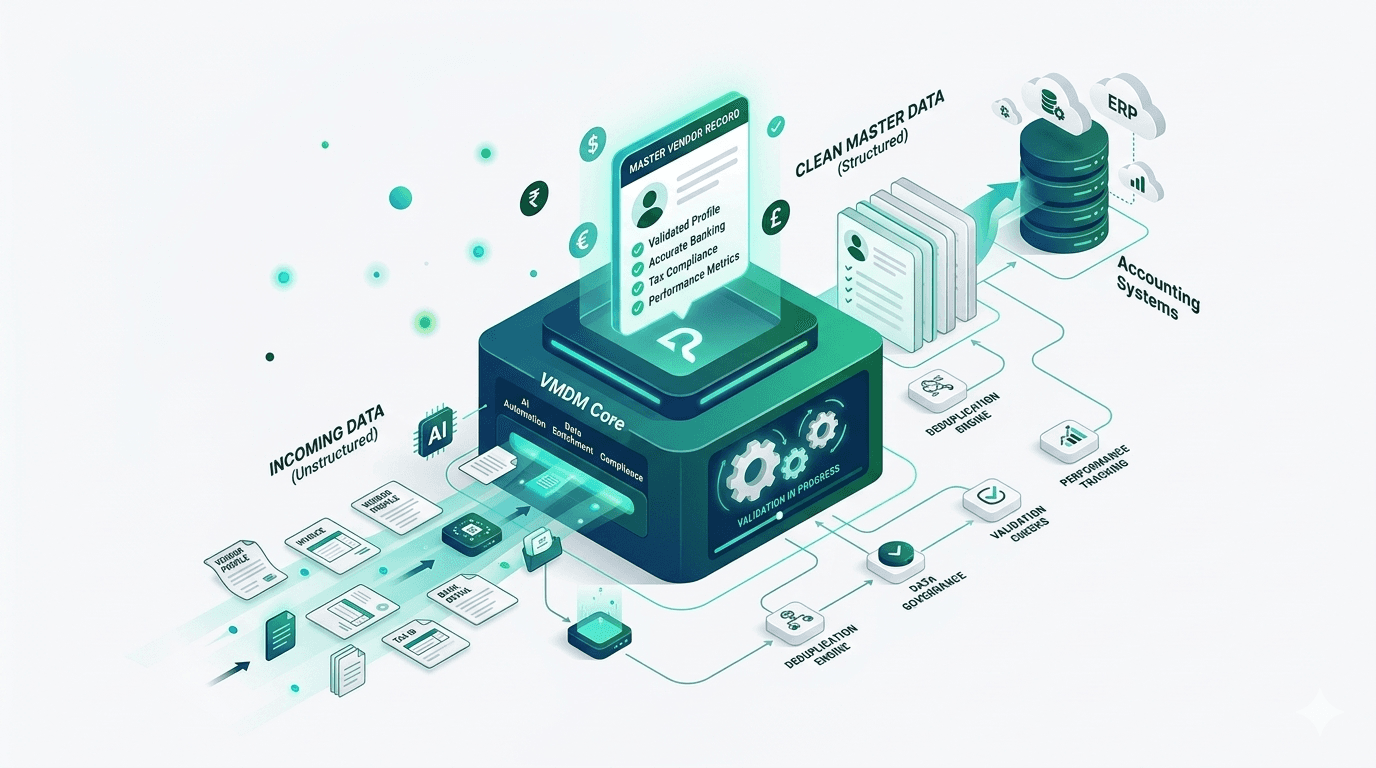
Indian businesses lose an average of ₹8-12 lakh annually due to duplicate vendor payments, data inconsistencies, and compliance failures. Vendor master data management software eliminates these costly errors by creating a single source of truth for all supplier information, ensuring GST compliance, and streamlining procurement workflows.
As India's digital transformation accelerates, companies managing hundreds or thousands of vendors face mounting pressure to maintain accurate supplier data whilst navigating complex regulatory requirements. Modern vendor master data management software addresses these challenges by centralising vendor information, automating validation processes, and ensuring seamless integration with existing financial systems.
What is Vendor Master Data Management Software?
Vendor master data management software is a specialised platform that creates, maintains, and governs a centralised repository of supplier information across an organisation. This system ensures data consistency, accuracy, and accessibility across all departments whilst maintaining strict compliance with Indian regulatory requirements.
The core functionality revolves around establishing a single, authoritative source for vendor data that eliminates silos and reduces errors. Unlike basic supplier databases, vendor MDM systems actively monitor data quality, detect duplicates, and enforce standardisation rules across multiple touchpoints.
Key components of vendor MDM systems include comprehensive supplier profiles containing business registration details, contact hierarchies, banking information, and compliance certifications. These profiles integrate seamlessly with accounts payable workflows, ensuring accurate payment processing and regulatory reporting.
Modern vendor master data management software connects directly with ERP systems like SAP, Oracle, and Tally, creating real-time data synchronisation across financial platforms. This integration enables automatic updates when vendor information changes, reducing manual data entry and associated errors.
The system plays a crucial role in procurement workflows by providing procurement teams with accurate, up-to-date vendor information during sourcing decisions. This connectivity extends to contract and vendor management software, creating a comprehensive supplier lifecycle management ecosystem.
Why Indian Businesses Need Vendor Master Data Management
GST compliance requirements make vendor master data management software essential for Indian businesses. Companies must maintain accurate GSTIN records, validate supplier registrations, and ensure proper tax calculations across multiple states. Manual processes cannot keep pace with these regulatory demands.
Indian businesses typically manage diverse supplier bases spanning multiple states, each with varying tax implications and regulatory requirements. A manufacturing company might work with raw material suppliers in Gujarat, packaging vendors in Maharashtra, and logistics providers in Karnataka. Managing this complexity without centralised data governance creates compliance risks and operational inefficiencies.
Reserve Bank of India regulations require businesses to maintain detailed vendor banking information and transaction records. RBI guidelines on know your customer norms mandate proper vendor verification processes, making automated data validation crucial for compliance.
Cost savings potential reaches ₹5-10 lakh annually for mid-sized companies through reduced duplicate payments, faster processing times, and improved vendor negotiation leverage. A Mumbai-based textile manufacturer reduced vendor onboarding time by 75% and eliminated ₹3.2 lakh in duplicate payments within six months of implementation.
Duplicate vendor creation costs Indian businesses significantly through payment errors, reconciliation challenges, and missed volume discounts. Vendor master data management software prevents these issues by detecting potential duplicates during vendor creation and maintaining clean, consolidated supplier records.
Key Features of Vendor Master Data Management Software
Centralised vendor database management forms the foundation of effective vendor master data management software. This feature consolidates supplier information from multiple sources into a unified platform, eliminating data silos and ensuring consistent information across all business functions.
Automated data validation capabilities verify critical information like PAN numbers, GSTIN registrations, and banking details in real-time. The system connects with government databases to confirm vendor legitimacy and regulatory compliance status, reducing manual verification workload.
Workflow management for vendor onboarding streamlines the entire supplier registration process. Automated approval workflows route new vendor requests through appropriate stakeholders, ensuring proper authorisation whilst maintaining audit trails for compliance purposes.
Integration capabilities enable seamless connectivity with existing ERP systems, accounting platforms, and procurement tools. This connectivity ensures data consistency across all systems whilst reducing manual data entry requirements and associated errors.
Compliance tracking and audit trails provide comprehensive visibility into vendor data changes, approval processes, and system access patterns. These features support regulatory requirements and internal audit processes whilst maintaining data integrity standards.
Data Governance and Quality Controls
Data standardisation capabilities ensure consistent formatting and structure across multiple vendor data sources. The system enforces naming conventions, address formats, and classification standards, creating uniformity that improves data usability and reduces errors.
Real-time validation of PAN, GST, and banking details connects directly with government databases and banking networks. This validation prevents invalid vendor creation and ensures compliance with regulatory requirements from the point of data entry.
Role-based access controls restrict data modification privileges based on user roles and responsibilities. Finance teams might have full banking detail access, whilst procurement users see only contact and capability information. Approval workflows ensure appropriate authorisation for sensitive data changes.
Data enrichment from external sources automatically populates vendor profiles with publicly available information, reducing manual data entry requirements. This feature pulls information from company registries, credit rating agencies, and industry databases to create comprehensive vendor profiles.
Compliance and Risk Management Features
GST registration verification and tracking capabilities monitor supplier compliance status continuously. The system alerts users when vendor registrations expire or face cancellation, preventing compliance violations and ensuring valid tax calculations.
Blacklist screening and risk assessment features check vendors against government blacklists, sanctions lists, and internal risk databases. This screening occurs automatically during vendor creation and periodically thereafter, maintaining compliance with regulatory requirements.
Regulatory reporting capabilities generate required compliance reports for tax authorities, auditors, and regulatory bodies. These reports include vendor registration summaries, transaction histories, and compliance status updates formatted according to regulatory specifications.
Vendor performance monitoring tracks key metrics like delivery performance, quality ratings, and payment terms compliance. This monitoring supports supplier relationship management decisions and identifies potential risks before they impact business operations.
Benefits of Implementing Vendor MDM Software
Improved data accuracy and consistency eliminates the confusion and errors that plague manual vendor management processes. Businesses report 90-95% improvement in vendor data accuracy within three months of implementing comprehensive vendor master data management software.
Faster vendor onboarding processes reduce time-to-procurement from weeks to days. Automated workflows, validation processes, and approval routing eliminate bottlenecks that traditionally delay supplier activation. Companies typically achieve 60-80% reduction in onboarding timelines.
Enhanced compliance with Indian regulations becomes automatic rather than manual. The system continuously monitors GST registrations, validates banking details, and maintains audit trails required for regulatory compliance. This automation reduces compliance-related workload by 70-80%.
Better supplier relationship management emerges from having complete, accurate vendor information readily accessible. Sales teams can identify upselling opportunities, procurement teams can negotiate better terms, and finance teams can optimise payment schedules based on comprehensive vendor insights.
Reduced operational costs and manual errors translate directly to bottom-line improvements. Companies eliminate duplicate data entry, reduce payment errors, and streamline approval processes. These efficiency gains typically justify implementation costs within 12-18 months.
Financial Impact and ROI
Cost reduction examples demonstrate tangible benefits from vendor master data management software implementation. A Chennai-based automotive parts manufacturer prevented ₹4.2 lakh in duplicate payments and reduced vendor management costs by ₹2.8 lakh annually through automated processes and improved data accuracy.
Time savings in vendor onboarding reach 70% reduction through automated validation, workflow routing, and approval processes. Finance teams report spending 75% less time on vendor setup activities, allowing focus on strategic financial management tasks.
Improved cash flow management results from better payment scheduling, duplicate prevention, and enhanced vendor relationship management. Companies optimise payment timing to capture early payment discounts whilst maintaining positive supplier relationships.
Better negotiation leverage emerges from consolidated vendor data that reveals spending patterns, volume opportunities, and relationship histories. Procurement teams use this intelligence to secure better terms, volume discounts, and improved service levels.
Top Vendor Master Data Management Software Solutions
Enterprise solutions like SAP Master Data Governance and Oracle Enterprise Data Management provide comprehensive vendor master data management capabilities for large organisations. These platforms offer extensive customisation options, advanced workflow capabilities, and robust integration features suitable for complex enterprise environments.
Mid-market options including Profisee and Semarchy deliver powerful vendor MDM functionality at more accessible price points. These solutions balance feature richness with implementation simplicity, making them ideal for growing businesses that need enterprise-grade capabilities without enterprise complexity.
Cloud-based platforms with Indian compliance features address the specific needs of Indian businesses. These solutions include built-in GST validation, PAN verification, and banking detail validation tailored to Indian regulatory requirements. Many offer local data hosting to address data residency concerns.
Comparison of pricing models varies significantly across deployment options. On-premise solutions typically require higher upfront investments but offer greater control. Cloud-based platforms provide subscription pricing that scales with usage, making them attractive for growing businesses.
Evaluation Criteria for Indian Businesses
GST and regulatory compliance capabilities should be the primary evaluation criterion for Indian businesses. The vendor master data management software must provide real-time GST validation, automated compliance monitoring, and regulatory reporting features that address Indian requirements specifically.
Integration with popular Indian ERP systems like Tally, SAP Business One, and Oracle NetSuite ensures seamless data flow across business functions. Evaluate integration complexity, data synchronisation capabilities, and ongoing maintenance requirements before making selection decisions.
Local support and implementation services significantly impact project success. Choose vendors with established Indian operations, certified local partners, and proven implementation methodologies. This support structure ensures timely issue resolution and culturally appropriate training approaches.
Scalability for growing businesses ensures the chosen solution can accommodate increasing vendor volumes, additional business units, and expanding compliance requirements. Evaluate licensing models, performance characteristics, and upgrade pathways to avoid future limitations.
Implementation Best Practices
Data migration strategies and cleansing require careful planning to ensure successful vendor master data management software implementation. Begin with comprehensive data auditing to identify duplicates, incomplete records, and inconsistencies. Develop cleansing rules and validation criteria before migration begins.
Change management and user training determine implementation success more than technical factors. Develop comprehensive training programmes that address different user roles and responsibilities. Include hands-on practice sessions and ongoing support to ensure user adoption and proficiency.
Phased rollout approaches reduce implementation risk whilst allowing for continuous improvement. Start with a pilot group or business unit to validate processes and refine configurations. Expand gradually whilst incorporating lessons learned from each phase.
Integration with existing financial systems requires careful coordination to maintain business continuity. Plan integration activities during low-activity periods and maintain fallback procedures. Test all integration points thoroughly before going live with production data.
Common Implementation Challenges
Data quality issues and legacy system integration create the most significant implementation challenges. Legacy systems often contain inconsistent data formats, duplicate records, and incomplete information. Address these issues through comprehensive data cleansing before migration begins.
User adoption and training requirements demand significant attention throughout implementation. Users accustomed to manual processes may resist automated workflows. Provide comprehensive training, clear benefits communication, and ongoing support to ensure successful adoption.
Customisation for Indian regulatory requirements often requires additional development work. Ensure chosen vendor master data management software includes built-in Indian compliance features or budget for necessary customisations. This investment pays dividends through automated compliance monitoring.
Budget considerations and ROI measurement require careful planning and tracking. Establish baseline metrics before implementation and monitor improvements throughout the rollout. Track cost savings, time reductions, and error elimination to demonstrate return on investment.
Integration with Financial Management Platforms
ERP system connectivity and data synchronisation enable real-time vendor information sharing across all business functions. Modern vendor master data management software provides APIs and pre-built connectors for popular ERP platforms, ensuring seamless data flow and consistency.
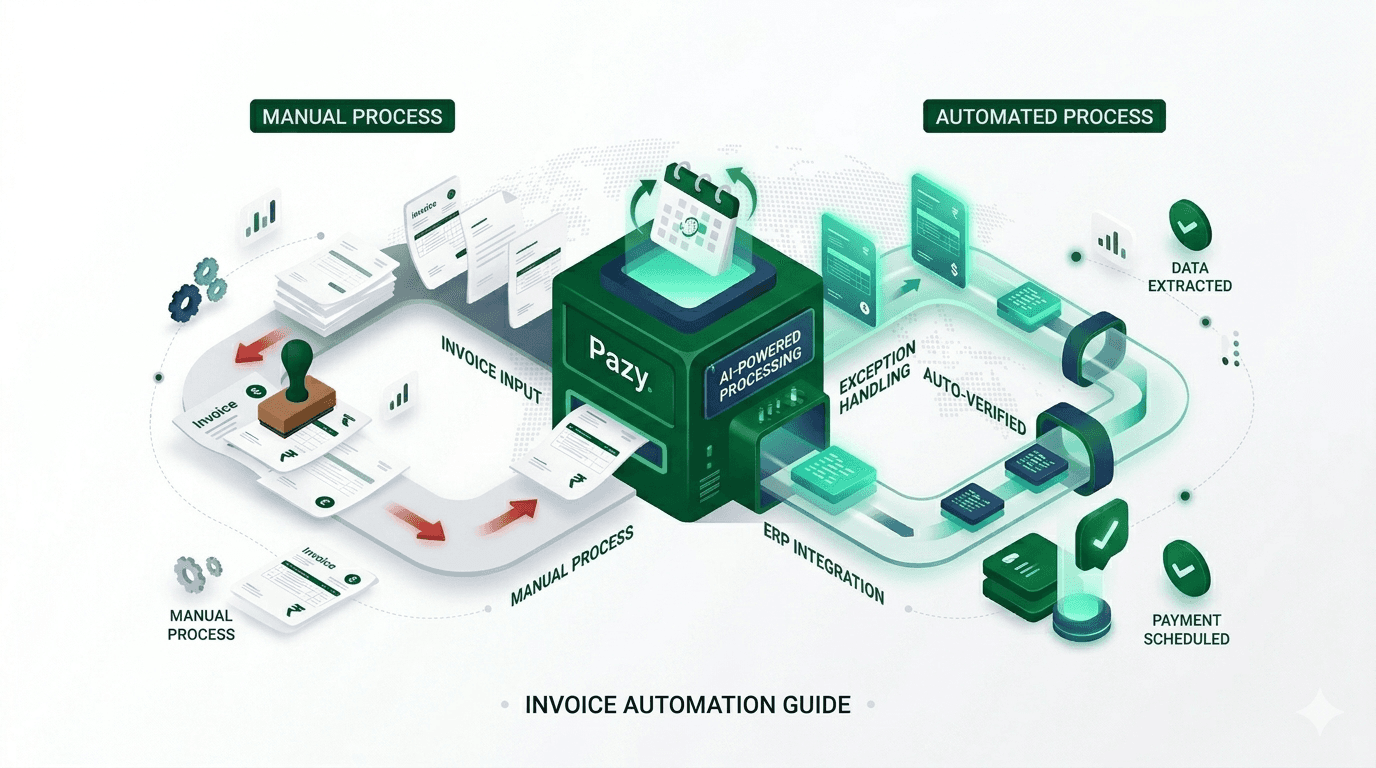
Accounts payable automation benefits significantly from integrated vendor master data. Clean, accurate vendor information enables automated invoice processing, payment scheduling, and reconciliation activities. This integration supports comprehensive invoice automation initiatives that reduce manual processing requirements.
Procurement system integration provides procurement teams with accurate vendor information during sourcing decisions. This connectivity ensures vendor capabilities, certifications, and performance histories are readily available when evaluating suppliers and making purchasing decisions.
Real-time data sharing and updates eliminate the lag time between vendor information changes and system updates. When banking details change or compliance certifications expire, all integrated systems receive updates immediately, preventing payment delays and compliance violations.
Future Trends in Vendor Master Data Management
AI-powered data quality and enrichment capabilities are transforming vendor master data management software functionality. Machine learning algorithms automatically detect data anomalies, suggest corrections, and enrich vendor profiles with publicly available information, reducing manual data management requirements.
Blockchain technology for vendor verification provides immutable audit trails and enhanced security for sensitive vendor information. This technology enables secure vendor credential sharing across organisations whilst maintaining privacy and reducing verification costs.
Advanced analytics and supplier insights help businesses optimise vendor relationships and identify cost-saving opportunities. Predictive analytics identify potential supplier risks, recommend optimal payment terms, and suggest consolidation opportunities based on spending patterns.
Mobile-first vendor onboarding experiences enable suppliers to self-register and maintain their information through mobile applications. This approach reduces administrative burden on internal teams whilst improving vendor experience and data accuracy through direct supplier input.
Frequently Asked Questions
What is the difference between vendor master data management and supplier relationship management?
Vendor master data management software focuses on maintaining accurate, consistent supplier information across all business systems. It emphasises data quality, governance, and integration capabilities. Supplier relationship management (SRM) concentrates on managing ongoing relationships, performance monitoring, and strategic supplier development. Vendor MDM provides the data foundation that enables effective SRM activities.
How much does vendor master data management software cost in India?
Vendor master data management software costs vary significantly based on features, deployment model, and organisation size. Cloud-based solutions typically range from ₹50,000 to ₹5 lakh annually for mid-sized businesses. Enterprise on-premise solutions can cost ₹10-50 lakh for initial implementation plus annual maintenance fees. Consider total cost of ownership including implementation, training, and ongoing support when evaluating options.
Can vendor MDM software help with GST compliance?
Yes, modern vendor master data management software includes comprehensive GST compliance features specifically designed for Indian businesses. These systems validate GSTIN numbers in real-time, monitor registration status, track compliance certificates, and generate regulatory reports. Automated GST validation prevents compliance violations and ensures accurate tax calculations across all vendor transactions.
How long does it take to implement vendor master data management software?
Implementation timelines for vendor master data management software typically range from 3-9 months depending on organisation size, data complexity, and customisation requirements. Small to medium businesses with straightforward requirements can complete implementation in 3-4 months. Large enterprises with complex integration needs and extensive customisation may require 6-9 months. Phased rollouts can reduce initial implementation time whilst providing early benefits.
What are the key integration requirements for vendor MDM systems?
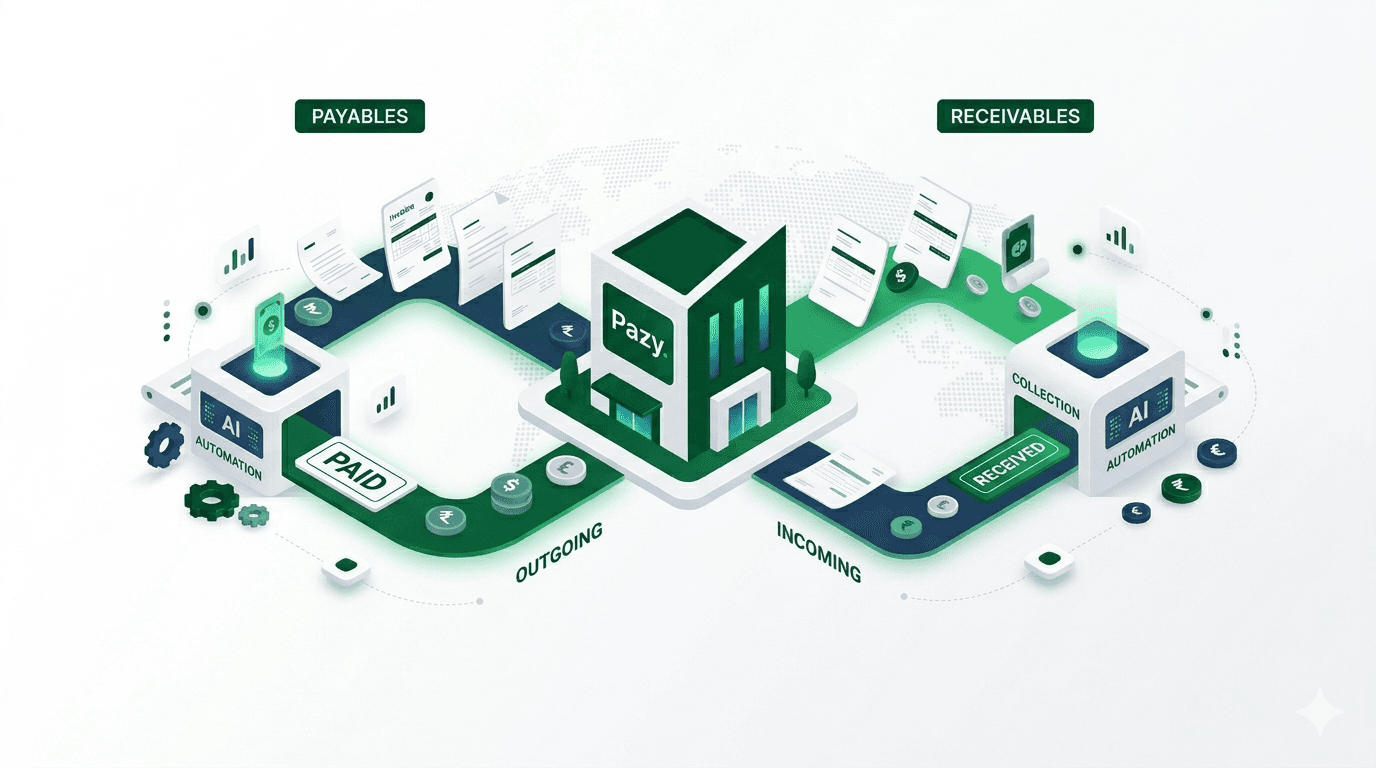
Key integration requirements include connectivity with ERP systems, accounting platforms, procurement tools, and banking systems. The vendor master data management software should provide APIs or pre-built connectors for your existing systems. Consider data mapping requirements, real-time synchronisation capabilities, and security protocols. Integration with payables and receivables systems ensures comprehensive financial data consistency across all platforms.
Vendor master data management software transforms how Indian businesses manage supplier relationships, ensure regulatory compliance, and optimise procurement processes. The combination of automated data validation, comprehensive compliance monitoring, and seamless system integration delivers measurable ROI through reduced errors, faster processing, and improved supplier relationships.
Successful implementation requires careful planning, comprehensive training, and phased rollout approaches that minimise business disruption. Companies that invest in robust vendor master data management software position themselves for sustainable growth whilst maintaining compliance with India's evolving regulatory landscape.
Ready to streamline your vendor management processes? Explore Pazy's comprehensive financial management platform that includes powerful vendor management capabilities designed specifically for Indian businesses. Work smarter, not harder with automated workflows that eliminate manual errors and ensure regulatory compliance.
OTHER BLOGS