Automation Playbooks
Invoice Automation: Complete Guide for Indian Businesses
Discover how invoice automation transforms AP processes for Indian businesses. Learn implementation, GST compliance, ROI benefits & best practices. Start today!
Indian businesses process over 500 million invoices annually, yet 78% of companies still rely on manual processing methods that cost ₹150-300 per invoice and take 5-15 days to complete. Invoice automation represents a transformative shift that can reduce these costs by up to 80% while improving accuracy and compliance with Indian regulations.
What is Invoice Automation and Why It Matters for Indian Businesses
Invoice automation is a digital solution that streamlines the entire accounts payable process, from invoice receipt to payment execution, using advanced technologies like Optical Character Recognition (OCR), Artificial Intelligence (AI), and workflow automation. For Indian businesses navigating complex GST regulations and diverse vendor ecosystems, this technology offers unprecedented efficiency gains.
The core components of modern invoice automation include:
OCR Technology: Automatically extracts data from invoices in multiple formats and languages, including Hindi and regional languages
AI-Powered Validation: Verifies invoice accuracy against purchase orders and delivery receipts
Workflow Automation: Routes invoices through predefined approval hierarchies based on amount thresholds and department rules
ERP Integration: Seamlessly connects with popular Indian accounting systems like Tally, SAP, and Oracle
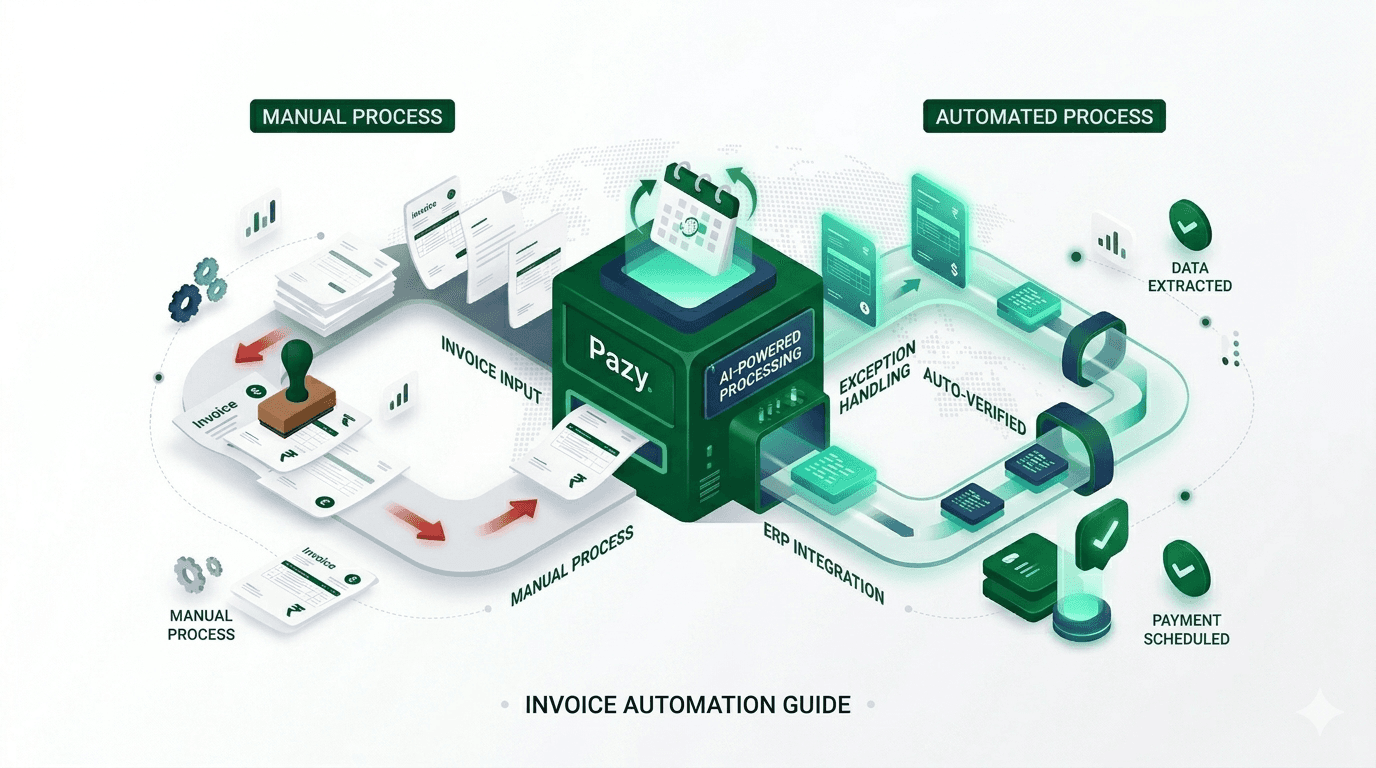
The progression from manual to automated processing represents three distinct stages. Manual processing involves physical paperwork, email exchanges, and spreadsheet tracking—methods still used by 60% of Indian SMEs. Semi-automated processes incorporate some digital tools but require significant human intervention. Fully automated systems handle the entire workflow digitally, requiring human input only for exceptions and final approvals.
According to a recent Reserve Bank of India digital payments report, adoption of accounts payable automation in India has grown 45% year-over-year, with manufacturing and IT services leading the transformation.
The Invoice Automation Process: From Receipt to Payment
The automated invoice processing workflow begins when vendors submit invoices through email, EDI, or supplier portals. Advanced OCR technology immediately captures and extracts critical data points including vendor details, invoice amounts, GST numbers, and line item information. This extraction process supports multiple Indian languages and handles diverse invoice formats commonly used across different industries.
Once data is captured, AI algorithms validate the information against existing purchase orders, contracts, and vendor master data. The system automatically flags discrepancies such as price variations, quantity mismatches, or invalid GST numbers for human review. Approved invoices then flow through predefined approval workflows based on business rules, amount thresholds, and departmental hierarchies.
The final stage involves payment processing integration with Indian banking systems. Modern automation platforms support UPI for smaller transactions, NEFT for standard business payments, and RTGS for high-value transfers above ₹2 lakh. Payment scheduling considers vendor terms, early payment discounts, and cash flow optimization requirements.
GST Compliance and Regulatory Considerations
GST compliance automation represents a critical advantage for Indian businesses. Automated systems validate GST numbers in real-time against the GST portal, ensuring vendor authenticity and tax compliance. The software automatically calculates input tax credits, reconciles GST data across invoices, and prepares GSTR filing documentation.
Regulatory compliance extends beyond GST to include RBI guidelines for digital payments, audit trail requirements under the Companies Act 2013, and documentation standards mandated by the Income Tax Department. Automated systems maintain comprehensive audit trails with timestamps, user access logs, and approval histories that satisfy regulatory scrutiny.
For businesses handling international transactions, automation platforms ensure compliance with Foreign Exchange Management Act (FEMA) regulations and automatically generate required documentation for cross-border payments.
Key Benefits of Invoice Automation for Indian Enterprises
Cost reduction represents the most immediate benefit of invoice automation. Indian businesses typically spend ₹150-300 per invoice on manual processing when accounting for labour costs, paper handling, storage, and error correction. Automated systems reduce this cost to ₹20-50 per invoice, generating savings of ₹100-250 per transaction.
Processing time improvements are equally dramatic. Manual invoice processing in Indian companies averages 8-15 days from receipt to payment, considering approval cycles, physical document routing, and banking procedures. Automation reduces this timeline to 2-4 days for standard invoices and same-day processing for urgent payments.
Accuracy improvements eliminate costly errors that plague manual processing. Data entry mistakes, calculation errors, and duplicate payments occur in 12-15% of manually processed invoices. Automated systems achieve 99.5% accuracy rates through AI validation and systematic checks.
Enhanced vendor relationships emerge from faster, more predictable payment cycles. Early payment discount capture becomes systematic rather than opportunistic, with businesses reporting 15-25% increases in discount realization. Vendor portals provide real-time payment status updates, reducing inquiry calls and improving supplier satisfaction.
Real-time visibility into accounts payable metrics transforms financial management. CFOs gain dashboard insights into payment obligations, cash flow forecasts, and vendor performance analytics. This visibility enables better working capital management and strategic decision-making.
ROI Calculation for Indian Businesses
Calculating automation ROI requires analyzing both direct and indirect cost savings. Direct savings include reduced processing costs, eliminated paper and storage expenses, and decreased labour requirements. A mid-size Indian manufacturing company processing 2,000 invoices monthly can expect annual savings of ₹20-30 lakh through automation.
Consider this case study: A Mumbai-based textile manufacturer implemented invoice automation for their 500-vendor ecosystem. Processing 1,500 invoices monthly, they achieved:
Processing cost reduction from ₹200 to ₹30 per invoice: ₹25.5 lakh annual savings
Early payment discount capture: ₹8 lakh additional savings
Reduced late payment penalties: ₹3 lakh savings
Staff productivity improvements: ₹12 lakh equivalent value
Total annual benefits reached ₹48.5 lakh against implementation costs of ₹15 lakh, delivering a 14-month payback period and 224% three-year ROI.
Hidden cost savings often exceed direct processing savings. These include reduced audit fees through better documentation, eliminated storage costs, decreased insurance premiums for digital records, and improved cash flow management reducing borrowing costs.
Essential Features to Look for in Invoice Automation Software
Multi-language support stands as a non-negotiable requirement for Indian businesses. The software must handle invoices in Hindi, Tamil, Telugu, Gujarati, and other regional languages while maintaining accuracy in data extraction. Character recognition capabilities should extend to various fonts and handwritten annotations common in Indian vendor documents.
Indian currency and number format support includes proper handling of lakh and crore notations, Indian decimal formatting, and multi-currency capabilities for international transactions. The system should automatically convert foreign currency amounts to INR using current exchange rates and maintain historical conversion records for audit purposes.
GST-ready templates and validation capabilities ensure compliance from day one. Look for pre-configured invoice templates matching common Indian formats, automatic GST rate validation, and integration with GST portal APIs for real-time verification. The software should support all GST categories including CGST, SGST, IGST, and CESS calculations.
Integration capabilities with popular Indian accounting systems are crucial. Seamless connectivity with Tally ERP, SAP Business One, Oracle NetSuite, and other locally popular systems ensures data consistency and eliminates manual data entry. API-based integrations should support real-time data synchronization and bi-directional information flow.
Mobile accessibility enables approval workflows for executives and managers who travel frequently or work remotely. Mobile apps should provide full functionality including invoice review, approval actions, and real-time notifications. Offline capabilities ensure continuity during connectivity issues common in certain Indian regions.
Security and Data Protection Requirements
Data localisation compliance aligns with Indian regulations requiring sensitive financial data to remain within national boundaries. Choose solutions with Indian data centers and explicit commitments to local data storage. Verify compliance with RBI guidelines on data protection and the Personal Data Protection Bill requirements.
Encryption standards must meet international benchmarks with AES-256 encryption for data at rest and TLS 1.3 for data in transit. Multi-factor authentication, role-based access controls, and session management protect against unauthorized access. Regular security audits and penetration testing demonstrate ongoing commitment to data protection.
Backup and disaster recovery capabilities ensure business continuity. Look for automated daily backups, geographically distributed storage, and documented recovery time objectives. Test disaster recovery procedures regularly and maintain offline backup copies for critical financial data.
Implementation Strategy: Step-by-Step Guide for Indian Companies
Pre-implementation assessment begins with comprehensive analysis of current accounts payable processes, invoice volumes, and vendor diversity. Document existing approval workflows, identify bottlenecks, and quantify baseline metrics for later comparison. Vendor selection should evaluate multiple solutions through proof-of-concept testing with actual invoice samples.
Pilot programme design focuses on a controlled subset of vendors and invoice types. Start with high-volume, standardized invoices from cooperative vendors willing to support testing. Define success criteria including processing time reduction, accuracy improvements, and user satisfaction scores. Typical pilot programmes run 6-8 weeks with 100-200 invoices.
Change management for finance teams requires addressing concerns about job displacement and technology adoption. Emphasize how automation eliminates mundane tasks while creating opportunities for strategic analysis and vendor relationship management. Provide clear communication about role evolution rather than elimination.
Training programmes should accommodate different skill levels and learning preferences. Chartered accountants may require detailed technical training on integration points and compliance features. AP clerks need hands-on practice with daily processing tasks. Create role-specific training materials and provide ongoing support during the transition period.
Go-live preparation includes final system configuration, user acceptance testing, and fallback procedures. Establish success metrics including processing time, accuracy rates, user adoption percentages, and cost per invoice. Plan for parallel processing during the initial weeks to ensure payment continuity.
Common Implementation Challenges and Solutions
Diverse invoice formats from Indian vendors present the most common challenge. Vendors use everything from handwritten bills to sophisticated ERP-generated documents. Address this through extensive template training during implementation and ongoing machine learning optimization. Establish vendor onboarding programmes to standardize formats where possible.
Multi-location approval workflows across Indian time zones require careful system configuration. Design approval hierarchies that account for regional holidays, working hours, and backup approvers. Implement escalation rules to prevent delays when primary approvers are unavailable.
Legacy system integration often proves more complex than anticipated. Older versions of Tally or custom-built systems may require additional middleware or API development. Budget extra time and resources for integration testing and data migration validation.
User adoption challenges stem from resistance to change and varying technology comfort levels. Address through comprehensive training, champion programmes, and gradual feature rollouts. Celebrate early wins and share success stories to build momentum.
Industry-Specific Considerations for Invoice Automation in India
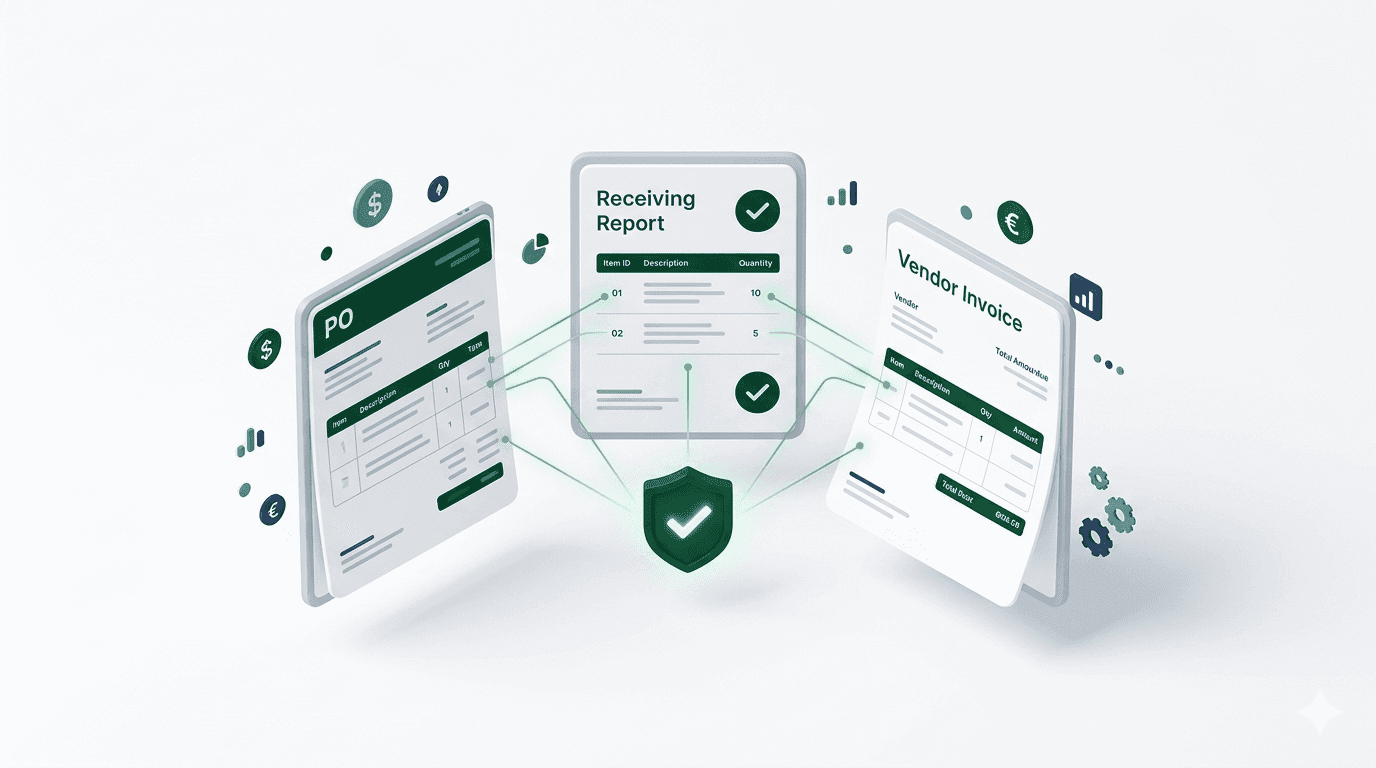
Manufacturing companies face unique challenges with complex purchase orders, multiple delivery receipts, and quality inspection requirements. Invoice automation systems must handle three-way matching between purchase orders, goods receipts, and invoices. Integration with inventory management systems enables automatic validation of received quantities and specifications.
IT services companies deal with project-based billing, milestone payments, and time-and-materials invoicing. Automation systems should integrate with project management tools and timesheet systems to validate billable hours and project deliverables. Support for retainer agreements and recurring billing simplifies ongoing client relationships.
Retail businesses process high volumes of vendor invoices with seasonal fluctuations and promotional pricing. Automation systems must handle volume spikes during festival seasons and validate promotional pricing against agreed terms. Integration with inventory systems enables automatic matching of delivered goods against invoiced quantities.
Healthcare organizations require compliance with medical equipment regulations and pharmaceutical licensing requirements. Automation systems should validate vendor licenses, track equipment warranties, and maintain audit trails for regulatory inspections. Integration with hospital management systems enables verification of received medical supplies and services.
Future of Invoice Automation: AI and Machine Learning Trends
Predictive analytics capabilities are transforming cash flow forecasting by analyzing historical payment patterns, vendor terms, and seasonal variations. AI algorithms predict optimal payment timing to maximize early payment discounts while maintaining healthy cash flow. These insights help CFOs make strategic decisions about working capital management and investment opportunities.
AI-powered fraud detection analyzes invoice patterns to identify suspicious activities such as duplicate payments, unusual vendor behavior, or pricing anomalies. Machine learning models continuously improve by learning from historical data and user feedback. These systems can detect sophisticated fraud attempts that might escape manual review.
Natural language processing advances enable extraction of complex contract terms and conditions from unstructured documents. This technology automatically identifies payment terms, penalty clauses, and service level agreements, ensuring compliance with contractual obligations. Integration with legal databases helps flag non-standard terms for review.
Emerging Indian fintech solutions are creating new integration opportunities for automated payment processing. Digital lending platforms, supply chain financing, and blockchain-based trade finance solutions offer enhanced working capital management options. Modern automation platforms are building APIs to connect with these innovative financial services.
Frequently Asked Questions About Invoice Automation
How much does invoice automation software cost for Indian businesses?
Invoice automation software pricing varies significantly based on features, volume, and deployment model. Entry-level solutions start at ₹15,000-25,000 per month for small businesses processing 100-500 invoices monthly. Mid-market solutions range from ₹50,000-1.5 lakh per month for companies handling 1,000-5,000 invoices. Enterprise solutions can cost ₹2-10 lakh monthly but offer advanced features and unlimited processing capacity. Most vendors offer tiered pricing based on invoice volume, with per-invoice costs ranging from ₹10-50. Implementation costs typically add 20-40% to the first-year investment, including setup, training, and integration services.
Can invoice automation handle GST compliance automatically?
Yes, modern invoice automation systems provide comprehensive GST compliance capabilities. They automatically validate GST numbers against government databases, calculate correct tax rates for different product categories, and generate GST-compliant invoice formats. The software reconciles input tax credits across all invoices and prepares GSTR-1, GSTR-2A, and GSTR-3B filing data. Advanced systems integrate directly with GST portal APIs for real-time validation and filing. However, businesses should ensure their chosen solution specifically supports Indian GST requirements and maintains current compliance with regulatory updates.
What is the typical implementation time for invoice automation in India?
Implementation timelines depend on business complexity and system requirements. Simple deployments for small businesses take 4-6 weeks, including basic setup, training, and go-live. Mid-size companies with multiple locations and complex approval workflows typically require 8-12 weeks. Large enterprises with extensive ERP integrations and customization needs may need 16-24 weeks for full implementation. Key factors affecting timeline include number of vendors, integration complexity, data migration requirements, and user training needs. Most vendors recommend starting with a pilot programme to validate the solution before full rollout.
How does invoice automation integrate with Tally and other Indian accounting software?
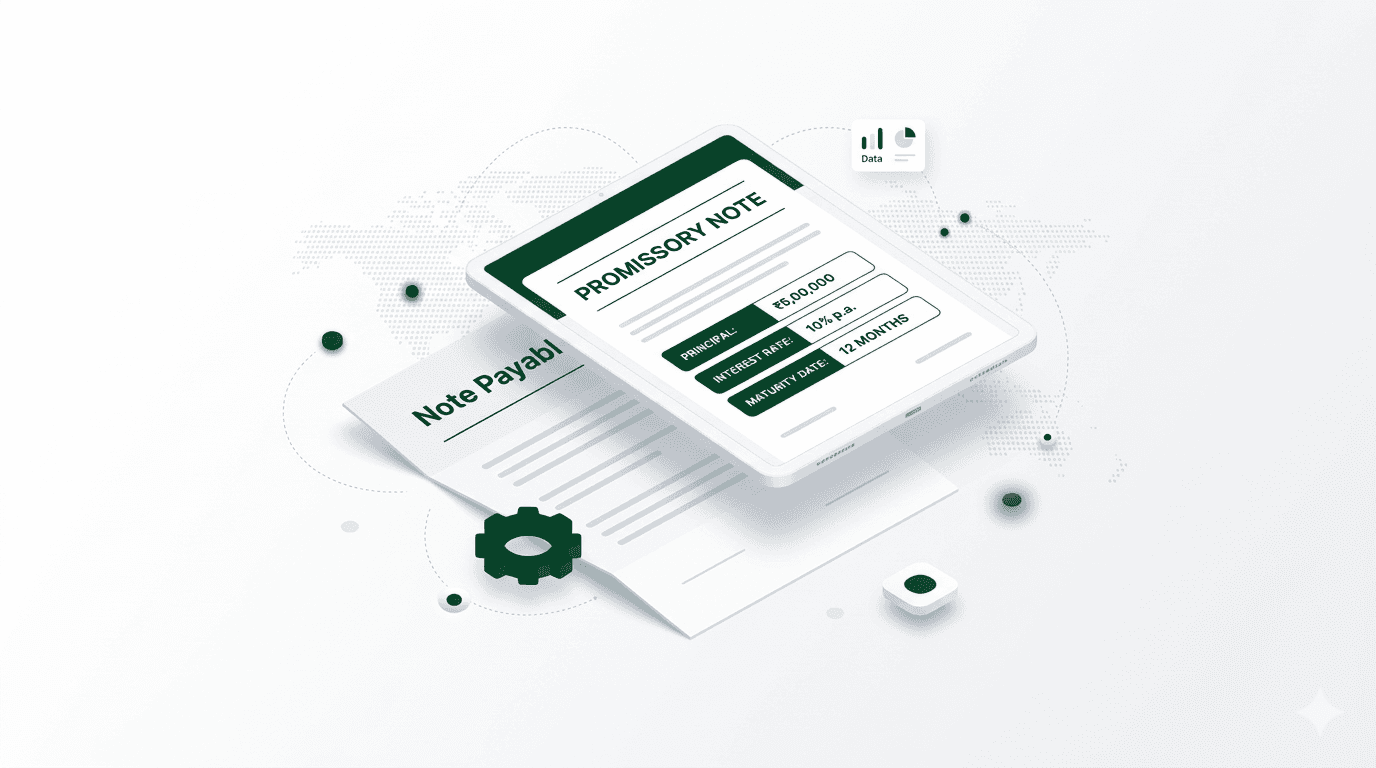
Invoice automation platforms offer various integration methods with popular Indian accounting systems. For Tally, integration typically occurs through XML data import/export, ODBC connectivity, or specialized Tally add-ons. The automation system extracts approved invoice data and formats it for Tally import, maintaining chart of accounts mapping and GST compliance. Other systems like SAP Business One, Oracle NetSuite, and Zoho Books use API-based integrations for real-time data synchronization. Custom integrations are available for proprietary systems. For guidance on managing various financial obligations, including note payable processes, integration capabilities ensure seamless data flow across all financial systems.
Is invoice automation suitable for small and medium enterprises in India?
Absolutely. Invoice automation delivers significant benefits for Indian SMEs, often providing faster ROI than larger enterprises due to higher manual processing costs relative to revenue. Cloud-based solutions eliminate infrastructure requirements and offer affordable monthly pricing. SMEs typically see 60-80% processing cost reductions and 70% faster payment cycles. Modern solutions are designed for easy implementation without dedicated IT resources. Many vendors offer SME-specific packages with simplified features and local support. The key is choosing a solution that scales with business growth and provides strong customer support during implementation and ongoing operations.
Conclusion
Invoice automation represents a strategic imperative for Indian businesses seeking operational excellence and regulatory compliance. The technology delivers measurable benefits including 70-80% cost reductions, 60-75% faster processing times, and 99%+ accuracy rates while ensuring GST compliance and audit readiness.
Success requires careful vendor selection, phased implementation, and comprehensive change management. Businesses should prioritize solutions with strong Indian market focus, including multi-language support, GST compliance, and integration with popular local accounting systems.
The future of invoice automation lies in AI-powered insights, predictive analytics, and integration with emerging fintech solutions. Early adopters will gain competitive advantages through improved cash flow management, enhanced vendor relationships, and strategic financial insights.
For Indian businesses ready to transform their accounts payable operations, explore modern automation solutions that combine cutting-edge technology with local market expertise. The question isn't whether to automate, but how quickly you can implement these transformative capabilities to stay competitive in India's rapidly evolving business landscape.
OTHER BLOGS