Insights & Trends
Outsource AP: Complete Guide to Accounts Payable in India
Discover how to outsource AP effectively in India. Compare costs, benefits, and alternatives to streamline your accounts payable processes. Get expert insights.
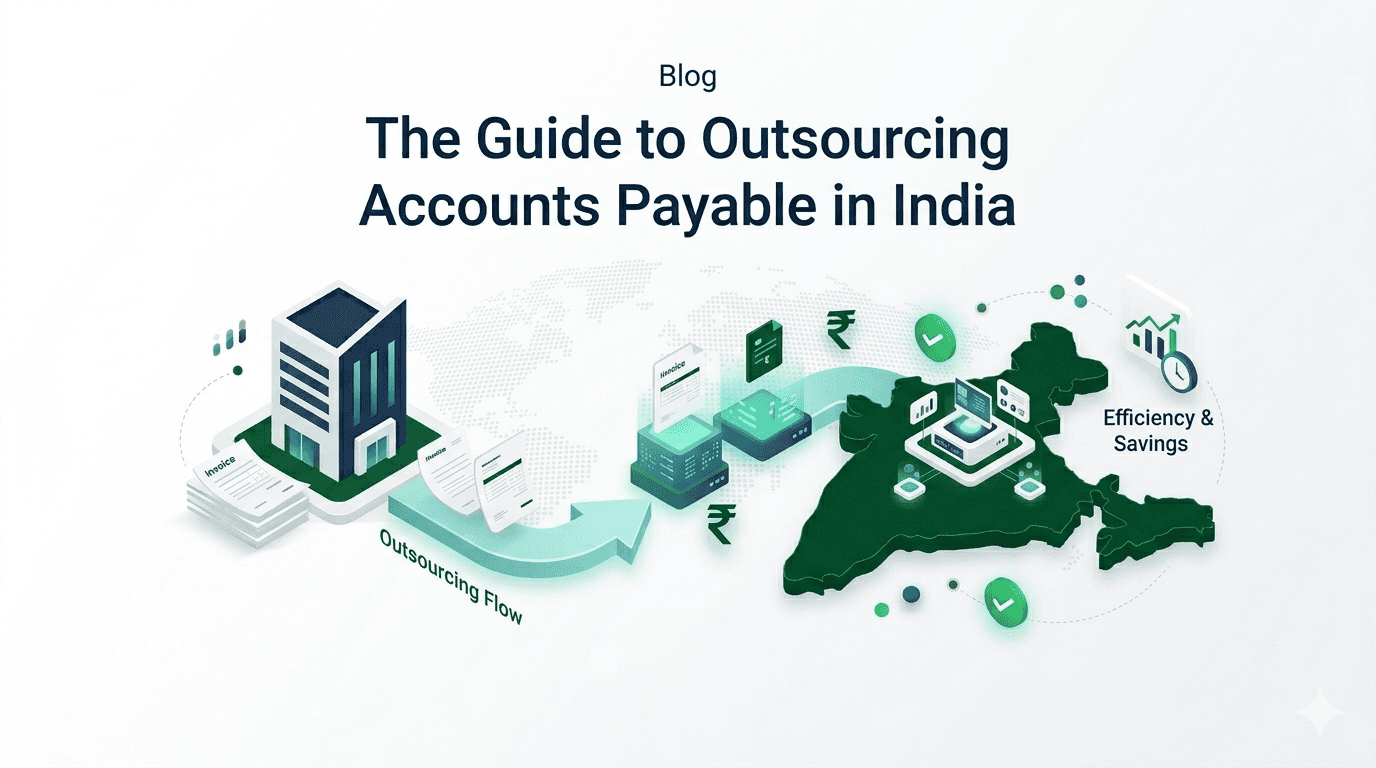
Managing accounts payable efficiently can make or break a business's cash flow, yet many Indian companies still struggle with manual processes that drain resources and create compliance headaches. With GST regulations demanding precise documentation and timely filing, the pressure on finance teams has never been higher.
The solution? An increasing number of Indian businesses are choosing to outsource AP operations to specialised service providers. This strategic move allows companies to reduce costs by ₹5-15 lakh annually while ensuring regulatory compliance and freeing up internal resources for core business activities.
What Does It Mean to Outsource AP (Accounts Payable)?
Outsourcing accounts payable means transferring some or all AP-related functions to an external service provider who manages these processes on your behalf. This arrangement allows businesses to leverage specialised expertise while reducing operational costs and administrative burden.
When you outsource AP, you're essentially handing over critical financial processes including invoice processing, vendor management, payment scheduling, and compliance reporting to a third-party provider. These providers typically employ teams of qualified chartered accountants and finance professionals who understand Indian regulatory requirements inside out.
The scope of AP outsourcing can vary significantly based on your business needs. Full outsourcing involves transferring the entire accounts payable function, from vendor onboarding to payment execution and reconciliation. Selective outsourcing, on the other hand, focuses on specific processes like invoice data entry or GST compliance while keeping strategic decisions in-house.
Common AP tasks that Indian businesses outsource include:
Invoice receipt, validation, and data entry
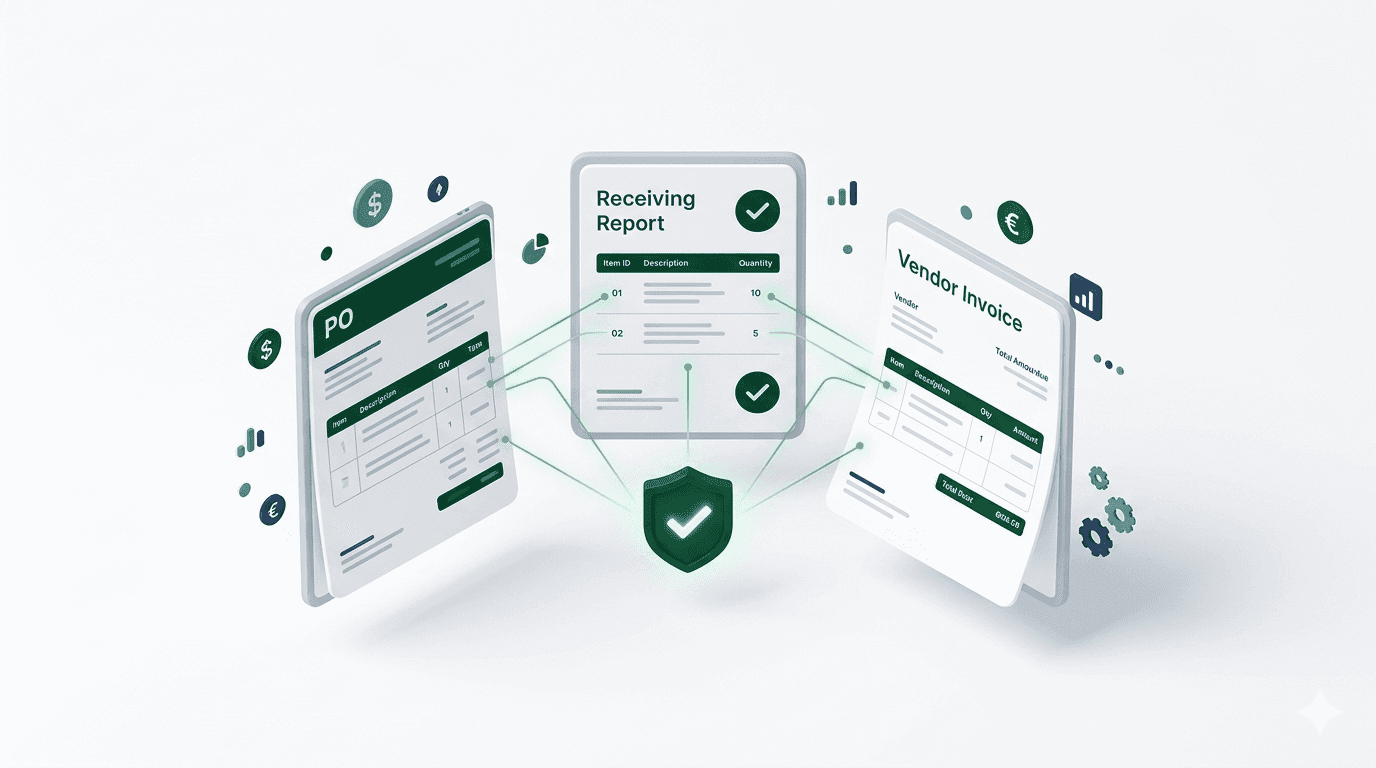
Three-way matching between purchase orders, receipts, and invoices
GST compliance and return filing
TDS calculations and quarterly return preparation
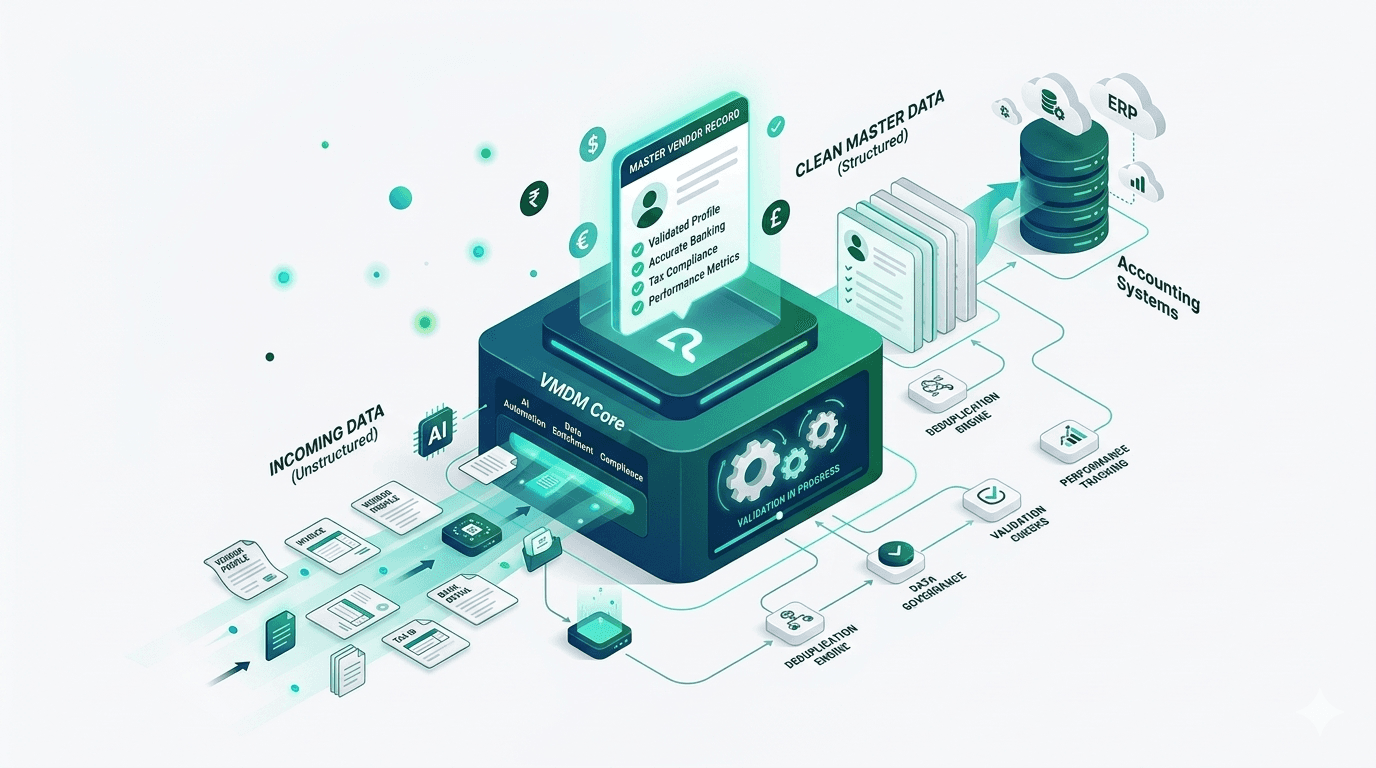
Vendor master data management
Payment processing and bank reconciliation
Monthly and quarterly reporting
In modern finance operations, AP outsourcing fits seamlessly into broader digital transformation initiatives. Many companies combine outsourcing with cloud-based ERP systems and automated workflows to create hybrid models that maximise efficiency while maintaining control over critical processes.
Why Indian Businesses Are Choosing to Outsource AP
The primary driver behind the growing trend to outsource AP in India is substantial cost reduction. Companies typically save ₹5-15 lakh annually by eliminating the need for dedicated AP staff, reducing office space requirements, and avoiding investments in specialised software and infrastructure.
Beyond cost savings, businesses gain access to specialised expertise that would be expensive to maintain in-house. Professional AP service providers employ teams with deep knowledge of GST regulations, TDS requirements, and MCA compliance standards. This expertise becomes particularly valuable for growing companies that need to scale their finance operations without the complexity of hiring and training additional staff.
Scalability represents another compelling advantage. During business growth phases, AP volumes can fluctuate dramatically. Outsourcing partners can quickly adjust their service levels to handle increased transaction volumes without the delays associated with internal recruitment and training processes.
Perhaps most importantly, outsourcing allows leadership teams to focus on core business activities instead of getting bogged down in administrative tasks. When finance leaders aren't spending time on routine AP processes, they can concentrate on strategic initiatives like cash flow optimisation, vendor negotiations, and financial planning.
Regulatory Compliance Benefits in India
India's complex regulatory environment makes compliance expertise invaluable. When you outsource AP operations, you gain access to professionals who specialise in navigating these requirements without the overhead of maintaining this expertise internally.
GST compliance represents one of the most challenging aspects of Indian business operations. Professional AP providers maintain up-to-date knowledge of GST rates, exemptions, and filing requirements. They ensure accurate GST calculations, timely return filing, and proper documentation for audit purposes. This expertise helps businesses avoid penalties and maintain good standing with tax authorities.
TDS management is another area where specialised knowledge pays dividends. AP outsourcing providers handle TDS calculations across different categories, ensure timely deposits, and prepare quarterly TDS returns. They also manage TDS certificates and maintain proper records for annual compliance requirements.
MCA compliance for statutory payments requires careful attention to deadlines and documentation requirements. Professional providers track these obligations and ensure timely payments to avoid penalties and maintain corporate compliance status.
Audit trail maintenance becomes seamless with professional AP providers who understand Indian regulatory requirements. They implement proper documentation standards, maintain digital records with appropriate security measures, and ensure all transactions meet audit requirements as specified by Ministry of Corporate Affairs guidelines.
Types of AP Outsourcing Models Available in India
Indian businesses can choose from several outsourcing models depending on their specific needs, budget constraints, and control preferences. Understanding these options helps companies make informed decisions about which approach best fits their operational requirements.
Full-service AP outsourcing provides end-to-end management of accounts payable processes. This comprehensive approach includes vendor onboarding, invoice processing, approval workflows, payment execution, and compliance reporting. Companies choosing this model essentially transfer their entire AP function to the service provider while maintaining oversight through regular reporting and performance metrics.
Selective process outsourcing allows businesses to retain control over strategic decisions while outsourcing specific operational tasks. Common selective outsourcing arrangements include invoice data entry only, GST compliance services, or payment processing while keeping vendor management and approval processes in-house.
Hybrid models combine outsourcing with automation technology to create customised solutions. These arrangements might involve outsourcing routine data entry tasks while using automated systems for approvals and payments. This approach provides cost benefits while maintaining real-time visibility and control over cash flow decisions.
Geographic considerations also influence model selection. Offshore outsourcing typically offers the lowest costs but may involve time zone differences and communication challenges. Nearshore options provide better alignment with business hours while maintaining cost advantages. Onshore providers offer maximum control and communication ease but at higher costs.
Pricing Models and Cost Structure
Understanding pricing models helps businesses evaluate the true cost of AP outsourcing and compare different providers effectively. Most Indian AP outsourcing providers offer multiple pricing structures to accommodate different business needs and transaction volumes.
Per-transaction pricing ranges from ₹50-200 per invoice depending on complexity and service levels. Simple invoice processing might cost ₹50-80 per invoice, while complex three-way matching with GST compliance could reach ₹150-200 per invoice. This model works well for businesses with predictable transaction volumes and seasonal fluctuations.
FTE-based pricing involves paying for dedicated resources at ₹3-8 lakh per resource annually. This model provides predictable costs and dedicated attention but requires minimum volume commitments. Companies with high transaction volumes often find FTE-based pricing more economical than per-transaction models.
Percentage of spend models charge a small percentage (typically 0.1-0.5%) of total AP spend. This approach aligns provider incentives with payment accuracy and timing but can become expensive for companies with high-value transactions and low complexity requirements.
Hidden costs to watch for include setup fees, integration charges, additional compliance services, and penalty clauses for early termination. Careful contract review helps identify these potential expenses and negotiate fair terms that protect both parties' interests.
Advantages of Outsourcing AP for Indian Companies
The financial benefits of AP outsourcing extend far beyond simple cost reduction. A mid-sized manufacturing company with 500 monthly invoices typically spends ₹12-18 lakh annually on internal AP operations including salaries, software licenses, and overhead costs. Outsourcing the same function costs ₹6-10 lakh annually, generating savings of ₹6-8 lakh while improving service quality.
Improved accuracy represents another significant advantage. Professional AP providers implement standardised processes and quality controls that reduce errors dramatically. While internal AP teams might achieve 85-90% accuracy rates, professional providers typically maintain 95-98% accuracy through systematic validation procedures and experienced staff.
Enhanced vendor relationships flow naturally from improved payment accuracy and timing. When vendors receive payments consistently and on time, they're more likely to offer favourable terms, early payment discounts, and priority service during supply shortages. These improved relationships can generate additional cost savings and operational benefits.
Better cash flow management becomes possible when professional providers optimise payment timing to capture early payment discounts while maintaining adequate working capital. Experienced providers understand the balance between vendor relationships and cash conservation, helping businesses maximise their financial efficiency.
Access to advanced technology without capital investment allows companies to benefit from sophisticated AP automation tools, OCR technology, and integration capabilities without the upfront costs and ongoing maintenance requirements. This technology access levels the playing field between large enterprises and smaller companies.
Disadvantages and Risks of AP Outsourcing
Despite the compelling advantages, outsourcing AP processes involves several risks that require careful consideration and mitigation planning. Understanding these potential drawbacks helps businesses make informed decisions and implement appropriate safeguards.
Loss of direct control over payment processes represents the most significant concern for many business owners. When critical financial functions move outside the organisation, management loses immediate oversight over payment timing, vendor interactions, and exception handling. This reduced control can create anxiety, particularly during cash flow crunches or vendor disputes.
Data security and confidentiality concerns become paramount when sensitive financial information leaves the organisation. AP data includes vendor banking details, payment terms, pricing information, and transaction patterns that competitors could potentially exploit. Businesses must carefully evaluate provider security measures and implement appropriate data protection agreements.
Dependency on third-party service levels creates operational risk when providers experience system outages, staff turnover, or service quality issues. Unlike internal teams that can be directly managed and redirected, external providers operate according to contractual terms that may not accommodate urgent business needs or changing priorities.
Communication gaps and time zone issues can complicate urgent payment requests or exception handling. When providers operate from different locations or time zones, resolving payment disputes or handling emergency payments may require additional time and coordination that internal teams could handle immediately.
Integration challenges with existing ERP systems often prove more complex than initially anticipated. Data synchronisation, user access management, and reporting integration require careful planning and ongoing maintenance that can offset some of the expected cost savings from outsourcing.
Risk Mitigation Strategies
Successful AP outsourcing requires comprehensive risk mitigation planning that addresses potential issues before they impact business operations. A thorough due diligence process forms the foundation of risk management.
Due diligence should include financial stability assessment, reference checks with current clients, security audit reviews, and compliance certification verification. Potential providers should demonstrate stable operations, satisfied clients, and robust security measures that meet or exceed your internal standards.
SLA definition and penalty clauses protect your interests by establishing clear performance expectations and consequences for service failures. Well-written SLAs should cover accuracy rates, processing timelines, communication response times, and system availability requirements with appropriate penalties for non-compliance.
Data security certifications provide independent verification of provider security measures. Look for ISO 27001 certification, SOC 2 compliance, and specific data localisation commitments that ensure your sensitive information remains protected according to Indian data protection requirements.
Transition planning and backup procedures ensure business continuity if the outsourcing relationship ends unexpectedly. Maintain current documentation, retain key process knowledge internally, and establish alternative service arrangements that could be activated quickly if needed.
AP Outsourcing vs AP Automation: Making the Right Choice
The decision between outsourcing and automation isn't always straightforward, as both approaches offer distinct advantages depending on your business circumstances, growth trajectory, and operational preferences.
Outsourcing makes more sense when businesses lack internal expertise, face significant compliance complexities, or need immediate cost reduction without capital investment. Companies with fewer than 200 monthly invoices often find outsourcing more cost-effective than implementing comprehensive automation platforms that require minimum transaction volumes to justify their expense.
Cost comparison reveals interesting dynamics over different time horizons. Outsourcing typically provides immediate cost savings with predictable ongoing expenses, while automation requires higher upfront investment but lower long-term operational costs. A company processing 1,000 monthly invoices might pay ₹15 lakh annually for outsourcing versus ₹8 lakh annually for automation after a ₹12 lakh initial investment.
Hybrid approaches combine both strategies to maximise benefits while minimising disadvantages. Companies might use automation for routine invoice processing while outsourcing complex compliance tasks or exception handling. This combination provides cost efficiency, control, and expertise where each is most valuable.
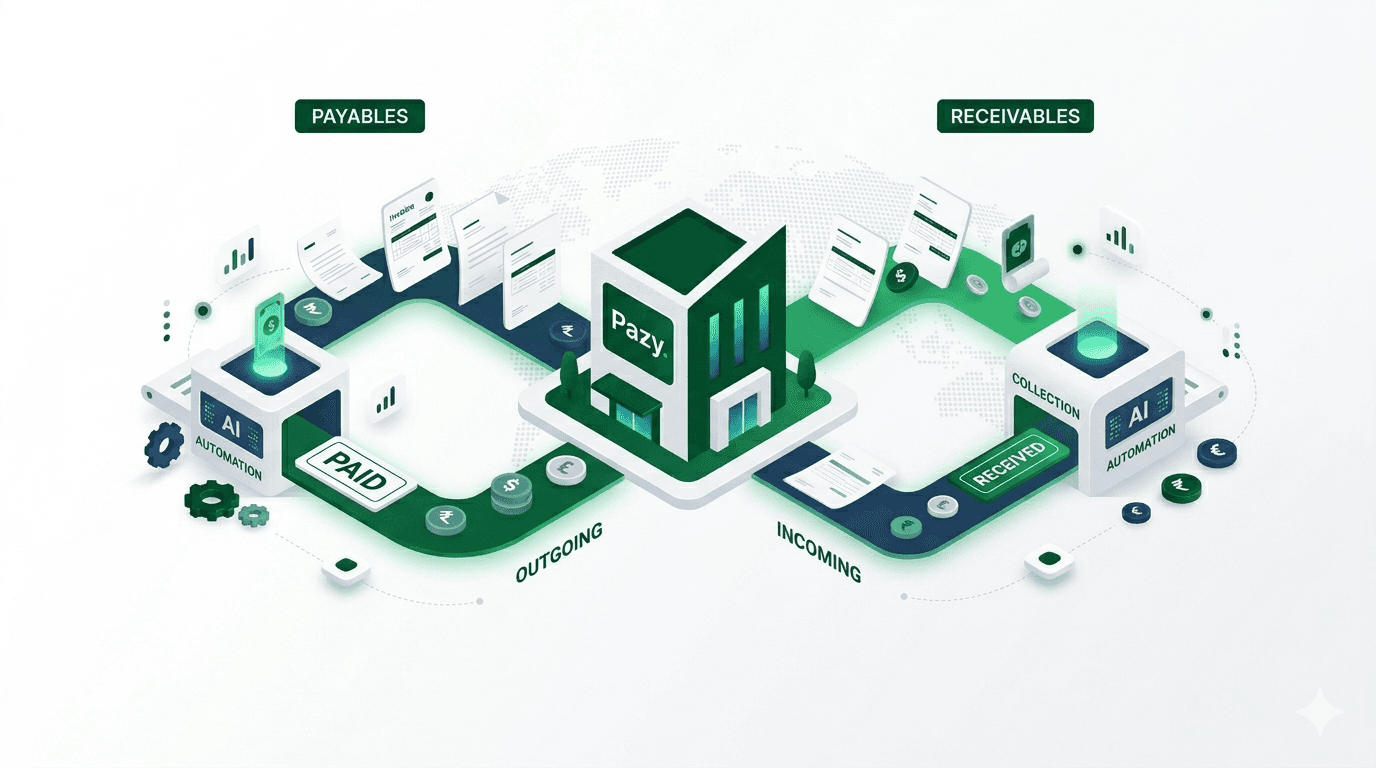
Decision frameworks should consider company size, transaction complexity, growth rate, and internal capabilities. Fast-growing companies might prefer outsourcing for immediate scalability, while stable companies with high volumes might benefit more from automation investments. For more insights on managing payables efficiently, explore our comprehensive guide to payables and receivables.
How AI-Powered AP Automation Compares
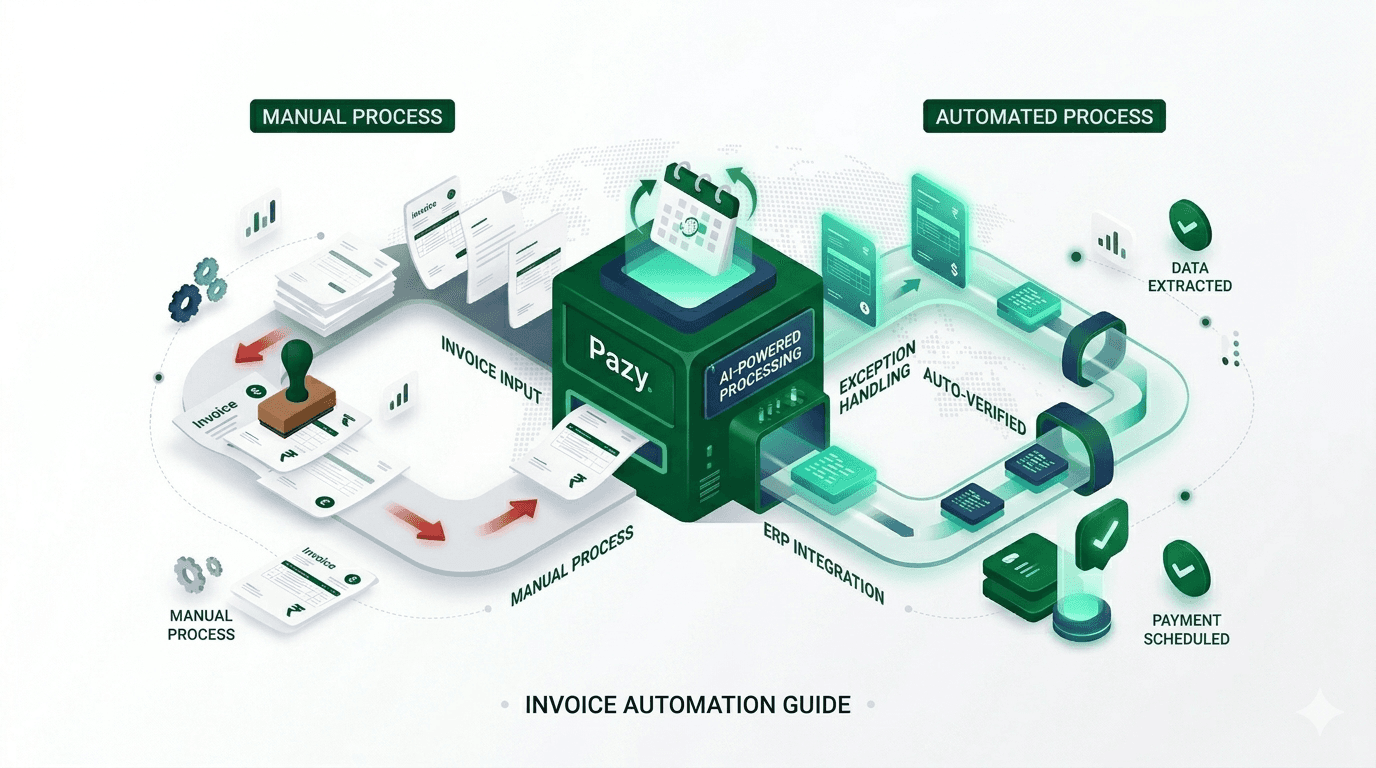
Modern AP automation platforms leverage artificial intelligence and machine learning to provide capabilities that often surpass traditional outsourcing arrangements. These technologies offer compelling advantages for businesses considering long-term AP strategy.
Keeping AP processes in-house with automation maintains direct control while providing efficiency gains comparable to outsourcing. AI-powered platforms can process invoices 24/7, provide real-time visibility into payment status, and adapt to changing business rules without the communication delays inherent in outsourced arrangements.
Integration capabilities with Indian banking systems including UPI, NEFT, and RTGS provide seamless payment execution that outsourced providers might struggle to match. Direct integration eliminates intermediary steps and reduces the risk of payment delays or errors during fund transfers.
Real-time visibility and control advantages become particularly valuable during cash flow management and vendor negotiations. When management can access current AP data instantly, they can make informed decisions about payment timing, discount opportunities, and cash conservation strategies without waiting for outsourced provider reports.
Long-term cost benefits of automation platforms become more attractive as transaction volumes increase. While outsourcing costs scale with volume, automation platforms provide fixed-cost processing that becomes more economical over time. Companies processing more than 500 monthly invoices often find automation more cost-effective within 18-24 months.
Selecting the Right AP Outsourcing Partner in India
Choosing the right outsourcing partner requires systematic evaluation of multiple factors that will impact your business operations for years to come. The selection process should balance cost considerations with service quality, security measures, and cultural fit.
Key criteria for vendor evaluation include financial stability, industry experience, technology infrastructure, security certifications, and client references. Providers should demonstrate consistent profitability, relevant experience with companies similar to yours, modern technology platforms, appropriate security measures, and satisfied long-term clients.
Essential questions for potential service providers should cover service scope, pricing transparency, performance guarantees, security measures, and business continuity planning. Ask about their experience with your industry, their approach to handling exceptions, their technology roadmap, and their plans for managing your account over time.
Reference checks and case study reviews provide insights into provider performance that marketing materials cannot convey. Speak directly with current clients about service quality, responsiveness, problem resolution, and overall satisfaction. Request specific examples of how providers handled challenging situations or implemented improvements.
Contract negotiation should focus on performance standards, pricing transparency, termination clauses, and intellectual property protection. Ensure contracts include specific SLAs, clear pricing schedules, reasonable termination provisions, and appropriate data protection measures that comply with Indian regulations.
Transition timeline and milestone planning prevent disruptions during the changeover period. Establish clear phases for data migration, staff training, parallel processing, and full transition with specific deliverables and success criteria for each phase.
Red Flags to Avoid When Choosing Vendors
Recognising warning signs during vendor selection can prevent costly mistakes and operational disruptions. Several red flags should trigger additional scrutiny or eliminate providers from consideration entirely.
Unrealistic cost promises often indicate providers who haven't properly assessed the scope of work or who plan to cut corners on service quality. Be wary of quotes significantly below market rates or providers who promise substantial savings without understanding your current processes and requirements.
Lack of Indian regulatory expertise becomes apparent when providers cannot discuss GST compliance requirements, TDS calculations, or MCA filing obligations in detail. Providers serving Indian businesses must demonstrate current knowledge of local regulations and recent changes to tax and compliance requirements.
Poor technology infrastructure or security measures create operational and data protection risks. Avoid providers with outdated systems, inadequate security certifications, or unclear data protection policies. Request demonstrations of their technology platforms and security measures before making final decisions.
Inadequate reporting and transparency suggest providers who prefer to operate without client oversight. Quality providers should offer comprehensive reporting, regular performance reviews, and transparent communication about issues and improvements.
Implementation Best Practices for AP Outsourcing
Successful AP outsourcing implementation requires careful planning, systematic execution, and ongoing monitoring to ensure the transition meets business objectives while minimising operational disruptions.
The implementation roadmap should begin with detailed process documentation and data preparation. Document current AP processes, identify exception handling procedures, and prepare clean data for migration. This preparation phase typically requires 2-4 weeks but significantly reduces implementation time and complications.
Data migration and system integration planning must address technical requirements, security protocols, and testing procedures. Work with both your IT team and the outsourcing provider to establish secure data transfer methods, integration protocols, and comprehensive testing plans that validate system functionality before going live.
Staff transition and change management require sensitive handling to maintain morale and retain institutional knowledge. Communicate transparently about the outsourcing decision, provide retraining opportunities where possible, and ensure affected employees understand their role in the transition process.
Performance monitoring and KPI tracking establish baseline measurements and ongoing accountability. Define specific metrics for accuracy, timeliness, cost savings, and service quality with regular reporting schedules that enable proactive issue identification and resolution.
Continuous improvement processes ensure the outsourcing relationship delivers increasing value over time. Establish regular review meetings, feedback mechanisms, and improvement initiatives that optimise processes and adapt to changing business requirements.
Frequently Asked Questions
How much does it cost to outsource accounts payable in India?
The cost to outsource AP in India varies significantly based on transaction volume, complexity, and service scope. Per-transaction pricing ranges from ₹50-200 per invoice, while FTE-based models cost ₹3-8 lakh per dedicated resource annually. Most businesses save ₹5-15 lakh annually compared to maintaining internal AP operations. For companies processing fewer than 200 monthly invoices, expect to pay ₹2-4 lakh annually. Higher volume operations with 1,000+ monthly invoices typically pay ₹8-15 lakh annually but achieve proportionally greater savings compared to internal costs.
What are the risks of outsourcing AP processes?
Primary risks include loss of direct control over payment timing, data security concerns with sensitive financial information, dependency on third-party service levels, and potential communication gaps. Integration challenges with existing ERP systems and reduced flexibility during urgent situations also pose operational risks. However, these risks can be effectively managed through careful vendor selection, comprehensive SLAs, robust security agreements, and proper transition planning. Many businesses find that professional providers actually reduce risks through improved processes and compliance expertise.
How long does it take to implement AP outsourcing?
AP outsourcing implementation typically takes 6-12 weeks from contract signing to full operation. The timeline includes 2-3 weeks for process documentation and data preparation, 2-4 weeks for system integration and testing, 2-3 weeks for parallel processing to validate accuracy, and 1-2 weeks for final transition and staff training. Complex implementations with multiple ERP systems or extensive customisation requirements may take 12-16 weeks. Proper planning and preparation can significantly reduce implementation time and minimise business disruptions.
Can small businesses benefit from AP outsourcing?
Small businesses often benefit most from AP outsourcing because they gain access to professional expertise and technology without the overhead of hiring specialised staff. Companies processing as few as 50 monthly invoices can achieve cost savings and compliance benefits through outsourcing. Small businesses particularly benefit from GST compliance expertise, TDS management, and access to advanced AP technology that would be prohibitively expensive to implement internally. The scalability of outsourced services also supports business growth without the complexity of expanding internal finance teams.
What's the difference between AP outsourcing and AP automation?
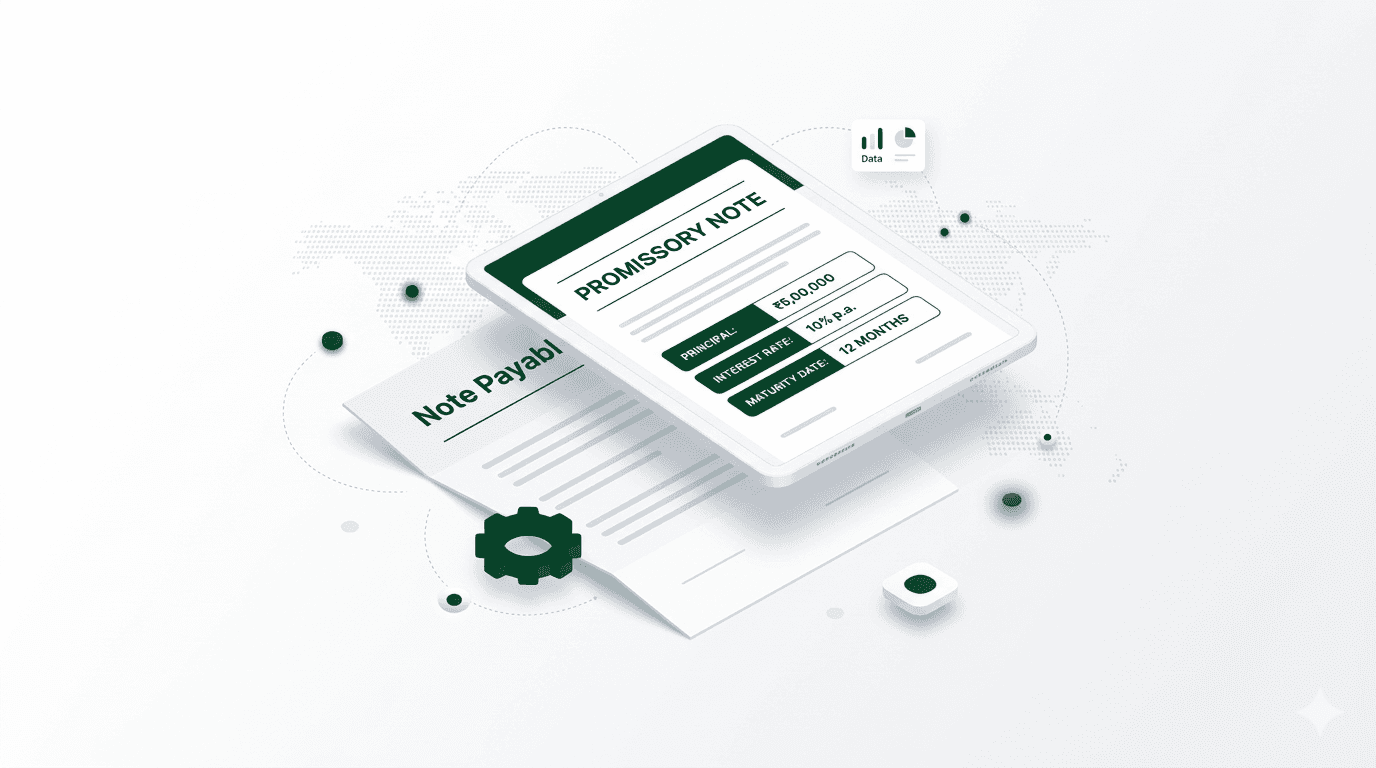
AP outsourcing transfers processes to external service providers who handle tasks using their staff and systems, while AP automation uses technology to streamline processes within your organisation. Outsourcing provides immediate expertise and cost reduction but reduces direct control, while automation maintains control but requires upfront investment and internal management. Outsourcing costs scale with transaction volume, while automation provides fixed-cost processing after initial setup. Many companies use hybrid approaches, combining automation for routine tasks with outsourcing for complex compliance requirements. To understand more about managing financial obligations effectively, check out our detailed guide to note payables.
The decision to outsource AP represents a strategic choice that can transform your finance operations while delivering substantial cost savings and compliance benefits. Indian businesses increasingly recognise that professional AP management provides access to specialised expertise, advanced technology, and scalable operations that would be expensive to maintain internally.
Success depends on careful provider selection, comprehensive risk mitigation, and systematic implementation planning. Companies that invest time in proper vendor evaluation, establish clear performance expectations, and maintain appropriate oversight typically achieve their outsourcing objectives while avoiding common pitfalls.
Whether outsourcing makes sense for your business depends on your specific circumstances, growth trajectory, and operational priorities. Consider your transaction volumes, compliance requirements, internal capabilities, and long-term strategy when evaluating this option. For businesses seeking to maintain direct control while improving efficiency, exploring modern AP automation solutions like Pazy's comprehensive platform might provide an alternative path to achieving similar benefits while retaining operational control.
The key is making an informed decision based on thorough analysis of your needs, careful evaluation of available options, and realistic assessment of implementation requirements. With proper planning and execution, AP outsourcing can become a valuable component of your finance transformation strategy.
OTHER BLOGS