Automation Playbooks
Contract and Vendor Management Software: Complete Guide 2026
Discover the best contract and vendor management software for Indian businesses. Compare features, pricing, and ROI. Get expert insights now!

Managing contracts and vendor relationships manually costs Indian businesses an average of ₹15-20 lakh annually in hidden inefficiencies, compliance penalties, and missed opportunities. **Contract and vendor management software** transforms these critical business processes from reactive paperwork exercises into strategic competitive advantages.
Modern enterprises juggle hundreds of vendor relationships and thousands of contracts simultaneously. Without proper systems, finance teams spend 60-70% of their time on administrative tasks rather than strategic analysis. This comprehensive guide explores how contract and vendor management software addresses these challenges while ensuring compliance with Indian regulations.
What is Contract and Vendor Management Software?
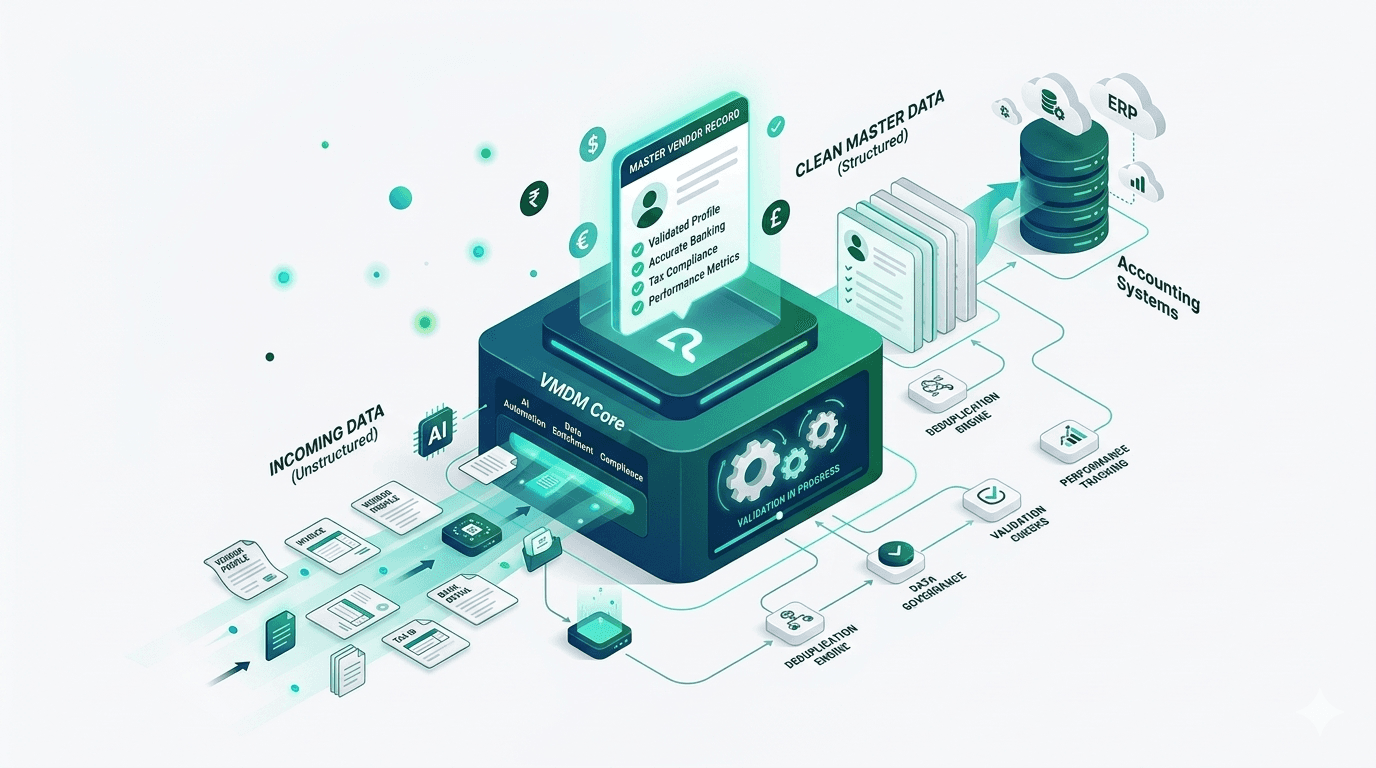
**Contract and vendor management software** is a comprehensive digital platform that automates and streamlines the entire lifecycle of vendor relationships and contractual agreements. These solutions combine contract lifecycle management (CLM) with vendor relationship management (VRM) capabilities, creating a unified ecosystem for procurement and finance operations.
The core functionality encompasses contract creation, negotiation, approval, execution, and renewal processes alongside vendor onboarding, performance monitoring, risk assessment, and payment management. Unlike traditional document management systems, modern **contract and vendor management software** provides intelligent automation, compliance monitoring, and predictive analytics.
Contract management focuses on the legal and operational aspects of agreements—templates, terms, obligations, renewals, and compliance. Vendor management emphasises relationship dynamics—performance scorecards, risk profiles, payment processing, and strategic partnerships. Leading platforms integrate both functions seamlessly, eliminating data silos and manual handoffs.
Integration capabilities with existing ERP systems are crucial for Indian businesses. Most organisations already invest heavily in SAP, Oracle, or Microsoft Dynamics environments. Effective **contract and vendor management software** must synchronise with these systems, ensuring data consistency across procurement, finance, and operations modules.
Indian regulatory compliance adds complexity layers that global solutions often overlook. GST compliance requires accurate vendor classification, TDS calculations, and HSN code mapping. MCA regulations mandate specific documentation for related party transactions and board approvals above defined thresholds. Purpose-built solutions address these requirements natively rather than through costly customisations.
Key Features of Contract and Vendor Management Software
Modern **contract and vendor management software** delivers comprehensive functionality across multiple business domains. The most effective platforms combine contract-specific features with vendor management capabilities, creating integrated workflows that eliminate manual processes and reduce errors.
Contract lifecycle management forms the foundation of these systems. From initial template selection through final renewal or termination, every contract stage receives automated support. Intelligent workflows route documents through appropriate approval chains based on contract value, risk level, and organisational hierarchy.
Vendor onboarding and KYC compliance streamline the traditionally cumbersome process of adding new suppliers. Automated data collection, document verification, and background checks reduce onboarding time from weeks to days. Integration with government databases enables real-time verification of PAN, GST registration, and regulatory compliance status.
Automated approval workflows eliminate bottlenecks that plague manual processes. Rule-based routing ensures contracts reach appropriate stakeholders based on value thresholds, risk assessments, and business unit requirements. Mobile-friendly interfaces enable approvals from anywhere, accelerating decision cycles.
Document management and e-signature capabilities centralise all contract-related documentation in searchable repositories. Version control prevents confusion about current terms, while audit trails maintain complete visibility into document evolution. Integration with DocuSign, Adobe Sign, and local e-signature providers ensures legal compliance.
Performance tracking and analytics transform raw data into actionable insights. Automated scorecards monitor vendor performance against defined KPIs. Contract analytics identify renewal opportunities, cost optimisation potential, and compliance risks. Executive dashboards provide real-time visibility into procurement pipeline and vendor portfolio health.
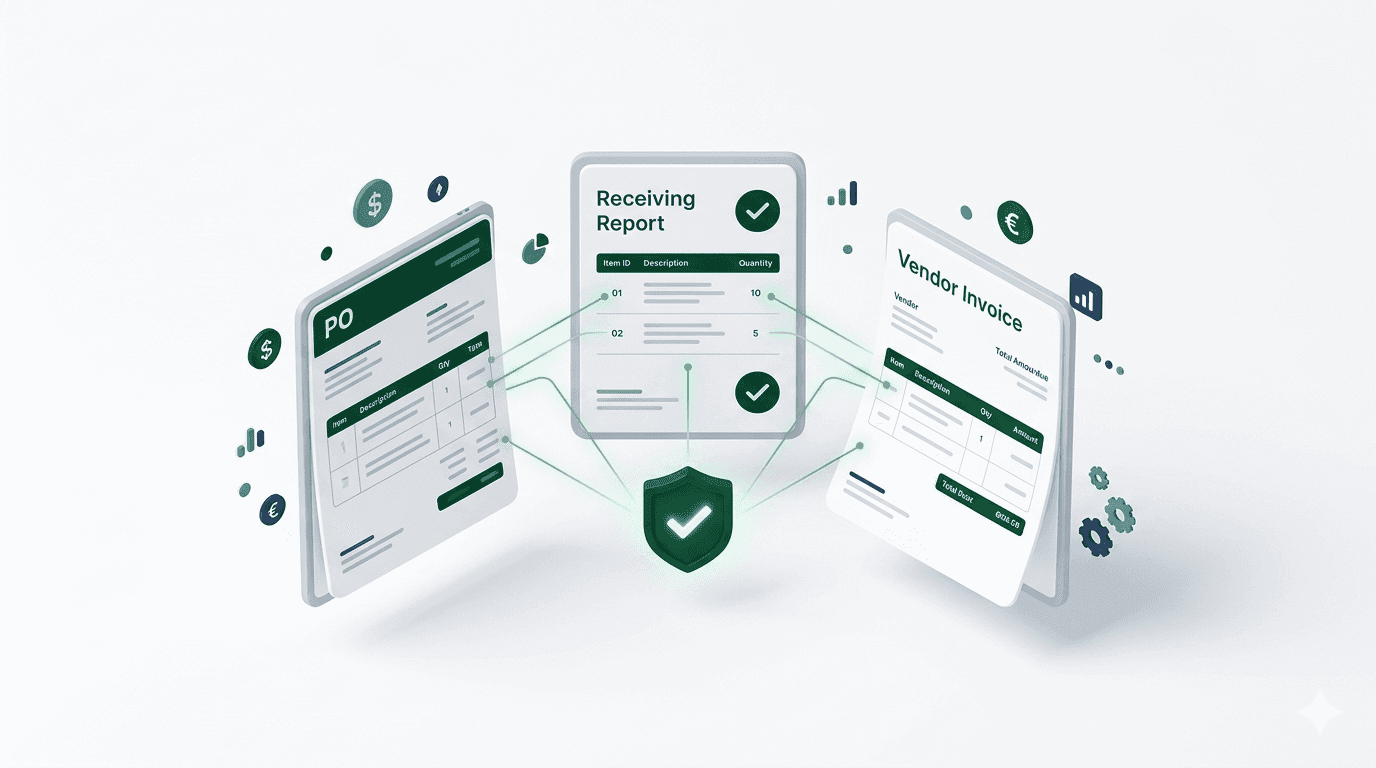
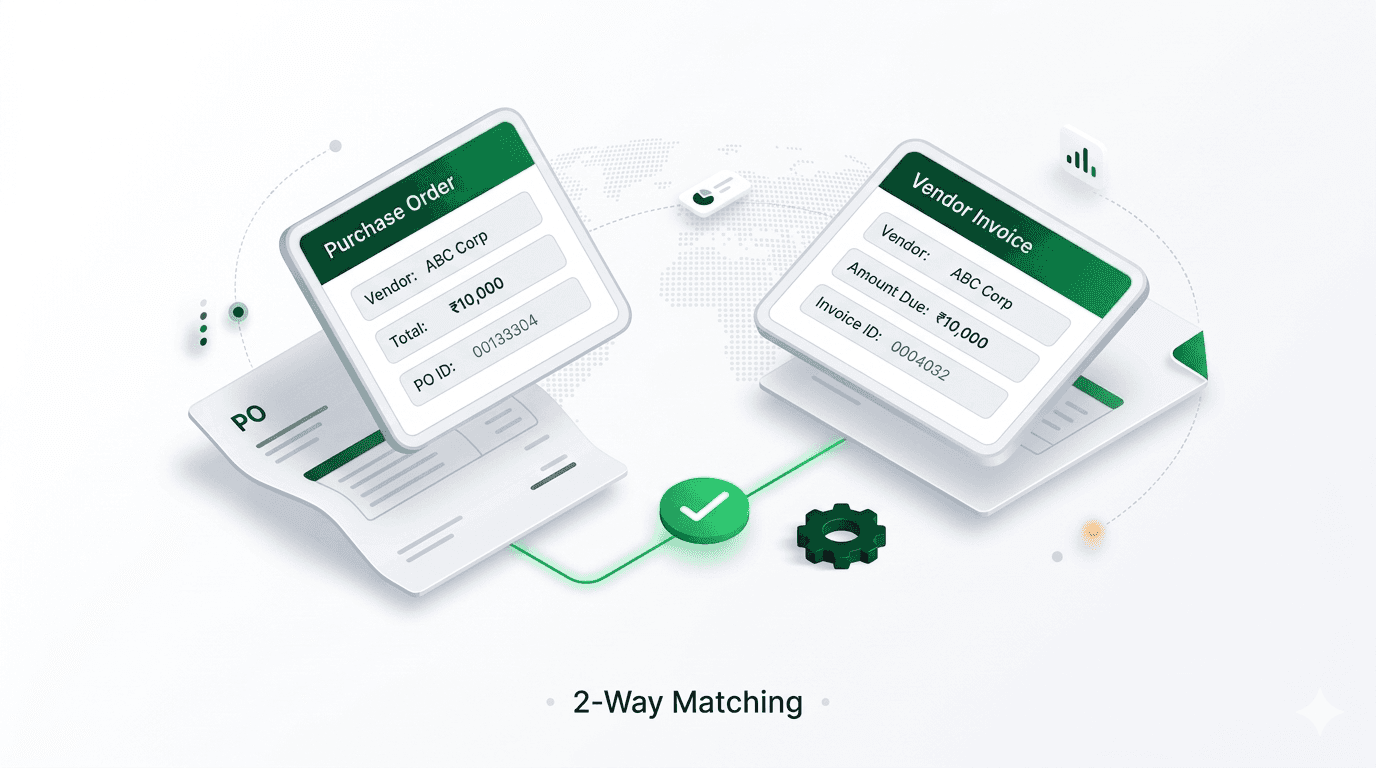
Integration with Indian payment systems including UPI, NEFT, and RTGS streamlines the procure-to-pay process. Automated invoice matching against purchase orders and contracts reduces payment delays. Three-way matching ensures accuracy while maintaining segregation of duties required by internal controls.
Contract Management Features
Template management and standardisation eliminate inconsistencies that create legal and operational risks. Pre-approved clause libraries ensure compliance with company policies and regulatory requirements. Intelligent template selection guides users toward appropriate contract types based on transaction characteristics.
Renewal alerts and milestone tracking prevent costly lapses and missed opportunities. Automated notifications provide advance warning of critical dates, enabling proactive renegotiation rather than reactive crisis management. Calendar integration ensures important dates appear in stakeholder schedules.
Risk assessment and compliance monitoring provide continuous oversight of contractual obligations. Automated compliance checking flags potential violations before they occur. Risk scoring algorithms evaluate contract terms, vendor financial health, and market conditions to highlight areas requiring attention.
Version control and audit trails maintain complete documentation of contract evolution. Every change receives timestamp, user identification, and justification documentation. This capability proves essential during audits, disputes, or regulatory examinations.
Vendor Management Capabilities
Vendor database and profile management create comprehensive supplier records that extend beyond basic contact information. Financial health indicators, certification status, insurance coverage, and performance history provide complete vendor visibility. Integration with credit rating agencies enables real-time financial monitoring.
Performance scorecards and ratings transform subjective vendor assessments into objective, data-driven evaluations. Automated scoring considers delivery performance, quality metrics, cost competitiveness, and compliance adherence. Weighted scoring accommodates different priorities across business units and procurement categories.
Risk assessment and due diligence capabilities evaluate vendors across multiple dimensions including financial stability, regulatory compliance, cybersecurity posture, and operational resilience. Automated monitoring alerts procurement teams to emerging risks requiring immediate attention.
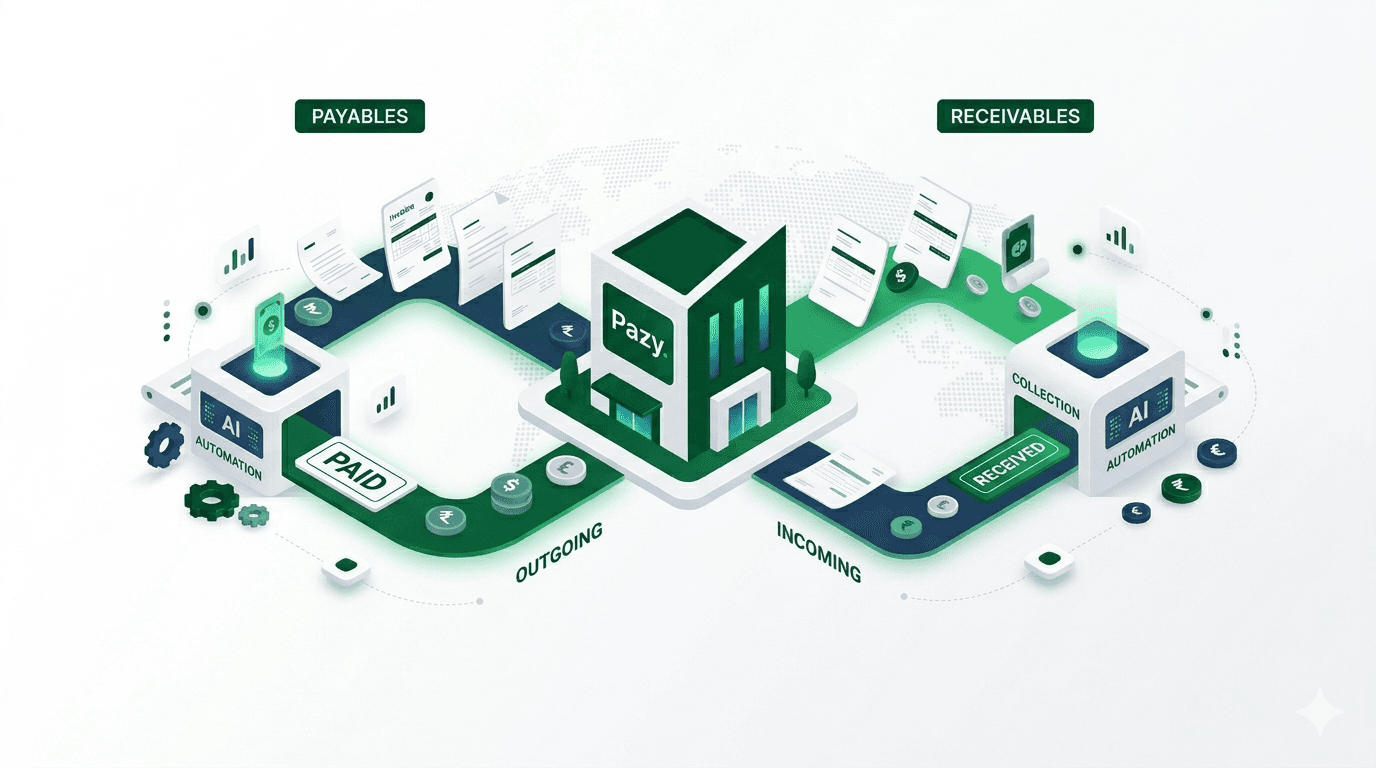
Payment processing and reconciliation streamline accounts payable operations. Automated three-way matching validates invoices against purchase orders and delivery receipts. Exception handling workflows route discrepancies to appropriate personnel for resolution. Integration with payables and receivables management systems ensures seamless financial operations.
Benefits for Indian Businesses
**Contract and vendor management software** delivers measurable value across multiple business dimensions. Cost reduction represents the most immediate benefit, with typical implementations generating ₹8-12 lakh in annual savings for mid-market companies through improved negotiation outcomes, reduced processing costs, and eliminated compliance penalties.
ROI analysis demonstrates compelling business cases. A ₹50 crore manufacturing company typically spends ₹15-20 lakh annually on manual contract and vendor management activities. Software implementation costs ₹5-8 lakh initially, with ongoing costs of ₹2-3 lakh annually. Efficiency gains, compliance improvements, and better vendor terms generate ₹12-18 lakh in annual benefits, delivering 200-300% ROI within the first year.
Improved compliance with Indian regulations reduces penalty exposure and audit costs. Automated GST compliance ensures accurate tax calculations and timely filings. TDS automation eliminates manual errors that trigger notices from income tax authorities. MCA compliance features ensure board approval workflows meet regulatory requirements for significant transactions.
Enhanced visibility and control transform procurement from a reactive function into a strategic capability. Real-time dashboards provide executives with complete visibility into vendor performance, contract compliance, and procurement pipeline status. Centralised data eliminates information silos that previously hindered decision-making.
Reduced manual errors and processing time free finance teams to focus on strategic analysis rather than administrative tasks. Automated workflows eliminate transcription errors, routing mistakes, and approval delays. Average contract processing time decreases from 2-3 weeks to 3-5 days, accelerating business velocity.
Better vendor relationships and negotiation power result from improved data visibility and performance tracking. Historical performance data supports fact-based negotiations. Consolidated spend visibility enables volume discounting opportunities. Proactive relationship management prevents small issues from escalating into major disputes.
Top Contract and Vendor Management Software Solutions in India
The Indian market offers diverse **contract and vendor management software** options spanning enterprise, mid-market, and small business segments. Selection criteria should emphasise local compliance capabilities, rupee pricing models, regional support availability, and integration with popular Indian ERP systems.
Comprehensive comparison matrices evaluate solutions across functionality, pricing, implementation complexity, and ongoing support requirements. Key evaluation criteria include contract lifecycle coverage, vendor management depth, reporting capabilities, mobile accessibility, and regulatory compliance features specific to Indian requirements.
Pricing structures vary significantly across vendor tiers. Enterprise solutions typically employ user-based licensing with annual commitments. Mid-market options often provide module-based pricing enabling gradual capability expansion. Small business solutions favour simple per-user monthly subscriptions with minimal upfront investment.
Local support and implementation capabilities prove crucial for successful deployments. Vendors with Indian development centres and implementation partners understand regulatory nuances and business practices that global providers often overlook. Regional support ensures reasonable response times and cultural alignment.
Integration with popular Indian ERP systems including SAP, Oracle, Microsoft Dynamics, and Tally requires careful evaluation. Pre-built connectors reduce implementation time and costs compared to custom integration development. API availability enables future integration with emerging systems and technologies.
Compliance with Indian data protection laws including the proposed Personal Data Protection Bill requires careful vendor evaluation. Data residency requirements may mandate local hosting or specific cloud regions. Security certifications and audit reports provide assurance regarding data protection capabilities.
Enterprise Solutions
SAP Ariba and Fieldglass represent the premium tier of **contract and vendor management software** for large Indian enterprises. These platforms provide comprehensive procurement and vendor management capabilities with deep ERP integration. Pricing typically ranges from ₹25-50 lakh annually for implementations covering 500-1000 users across multiple business units.
Oracle Procurement Cloud offers native integration with Oracle ERP environments prevalent in Indian enterprises. The platform combines contract management, supplier management, and procurement analytics in a unified cloud environment. Annual licensing costs range from ₹20-40 lakh depending on module selection and user count.
Microsoft Dynamics 365 provides contract and vendor management capabilities through its Supply Chain Management module. Native integration with Office 365 and Power Platform enables rapid customisation and workflow development. Pricing ranges from ₹15-35 lakh annually for comprehensive implementations.
Enterprise solutions justify their premium pricing through advanced capabilities including AI-powered contract analysis, predictive vendor risk assessment, and sophisticated reporting and analytics. Implementation timelines typically span 6-12 months with extensive customisation and training requirements.
Mid-Market Solutions
Zoho Creator vendor management provides affordable **contract and vendor management software** for growing Indian businesses. The platform combines contract lifecycle management with vendor onboarding, performance tracking, and compliance monitoring. Pricing ranges from ₹3-8 lakh annually for implementations covering 50-200 users.
Sirion CLM platform specialises in contract lifecycle management with strong vendor management integration. The solution provides AI-powered contract analysis, automated compliance monitoring, and comprehensive reporting capabilities. Annual costs typically range from ₹5-12 lakh depending on contract volume and user requirements.
CobbleStone Contract Insight offers comprehensive contract and vendor management functionality with strong compliance features. The platform provides configurable workflows, automated alerts, and detailed analytics. Pricing ranges from ₹4-10 lakh annually for mid-market implementations.
Mid-market solutions balance functionality with affordability, providing essential contract and vendor management capabilities without enterprise-level complexity. Implementation timelines typically span 2-4 months with moderate customisation requirements.
Small Business Solutions
Cloud-based affordable options serve small Indian businesses requiring basic contract and vendor tracking capabilities. These solutions prioritise ease of use, rapid implementation, and minimal IT overhead. Pricing typically remains under ₹2 lakh annually for implementations covering 10-50 users.
Basic contract and vendor tracking functionality includes document storage, renewal alerts, vendor contact management, and simple performance scoring. While lacking advanced features of enterprise solutions, these platforms provide essential capabilities for small business requirements.
Quick implementation timelines enable small businesses to realise benefits within 2-6 weeks. Minimal customisation requirements and pre-configured workflows reduce implementation complexity and costs. Cloud deployment eliminates infrastructure requirements and IT maintenance overhead.
Implementation Best Practices for Indian Companies
Successful **contract and vendor management software** implementation requires comprehensive change management strategies that address cultural, process, and technology dimensions. Indian organisations often have deeply embedded manual processes and relationship-based vendor management approaches that require careful transition planning.
Change management strategies should emphasise benefits communication, stakeholder engagement, and gradual transition approaches. Executive sponsorship proves essential for overcoming resistance to new processes and technologies. Regular communication about implementation progress and early wins builds momentum and confidence.
Data migration from legacy systems presents significant challenges for Indian companies with decades of paper-based records and disparate digital systems. Phased migration approaches enable gradual transition while maintaining business continuity. Data cleansing and standardisation activities often require 30-40% of total implementation effort.
Training programmes for finance teams must address both system functionality and process changes. Role-based training ensures users understand relevant features without overwhelming complexity. Ongoing support and refresher training accommodate staff turnover and system updates.
Phased rollout approaches reduce implementation risks by enabling learning and adjustment opportunities. Pilot implementations with selected business units or vendor categories provide valuable feedback for broader deployment. Success metrics and feedback collection inform subsequent phases.
Integration with existing chartered accountant workflows requires careful consideration of professional service relationships and regulatory reporting requirements. Many Indian companies rely heavily on external chartered accountants for compliance and financial reporting. System integration must accommodate these relationships while improving efficiency.
ROI and Cost Considerations
Total cost of ownership analysis for **contract and vendor management software** must consider licensing costs, implementation expenses, ongoing maintenance, and training investments. Indian companies should evaluate costs over 3-5 year periods to capture full benefit realisation and avoid short-term decision-making biases.
Expected savings in procurement costs typically range from 3-8% of total procurement spend through improved vendor negotiations, contract compliance, and process efficiency. A company with ₹100 crore annual procurement spend can expect ₹3-8 crore in annual savings, easily justifying software investments of ₹10-20 lakh annually.
Reduction in compliance penalties provides additional ROI through avoided GST penalties, TDS interest charges, and regulatory fines. Companies with poor compliance histories often recover software costs entirely through penalty avoidance in the first year.
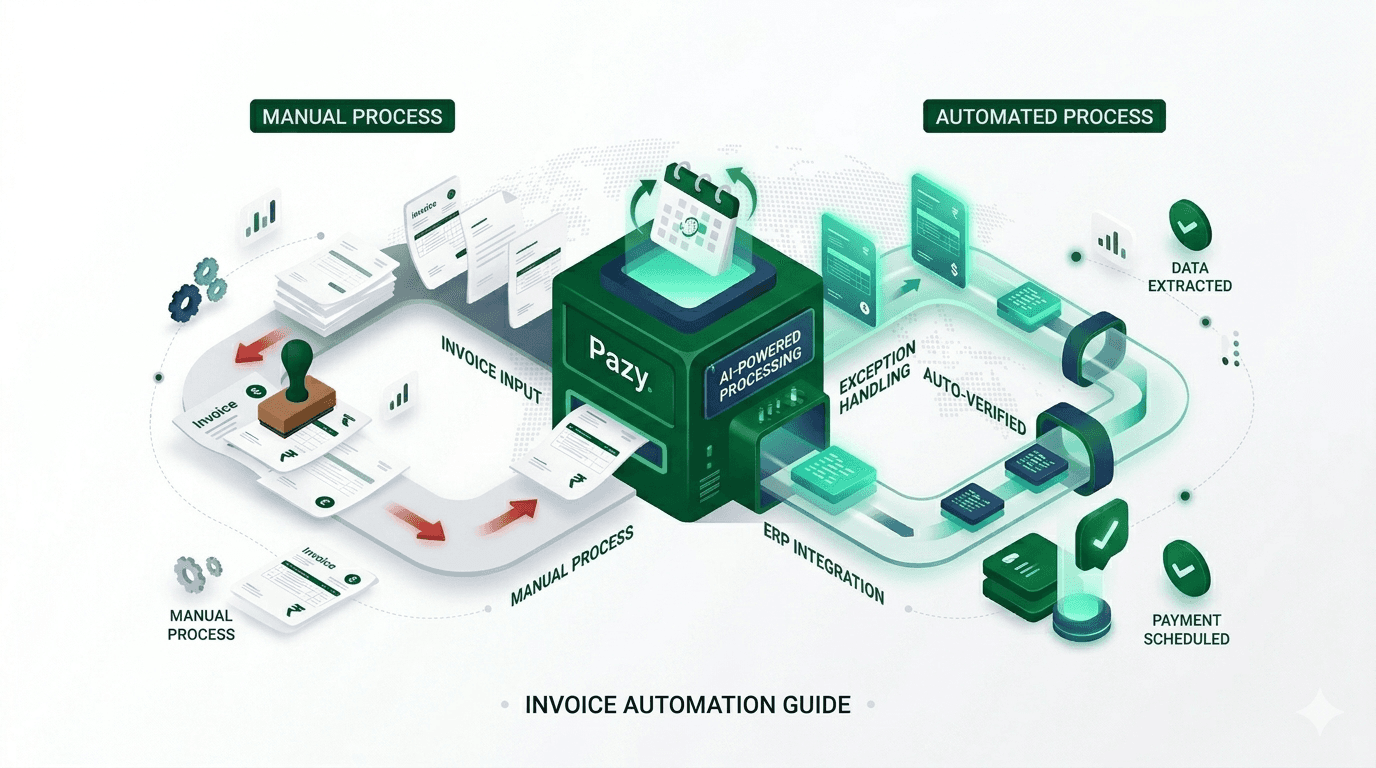
Efficiency gains in finance operations free personnel for higher-value activities while reducing overtime and temporary staffing costs. Automated workflows eliminate manual routing delays and approval bottlenecks. Integration with invoice automation systems further amplifies efficiency benefits.
Payback period calculations for the Indian market typically demonstrate 12-18 month returns for mid-market implementations and 6-12 month returns for enterprise deployments. Faster payback periods result from higher transaction volumes and greater automation opportunities.
Future Trends in Contract and Vendor Management
AI-powered contract analysis represents the next frontier in **contract and vendor management software** evolution. Machine learning algorithms identify contract risks, suggest optimal terms, and predict vendor performance based on historical patterns. Natural language processing enables automatic contract summarisation and key term extraction.
Blockchain technology offers revolutionary approaches to vendor verification and contract execution. Immutable audit trails eliminate disputes about contract terms and performance metrics. Smart contracts automate payment releases based on predefined performance criteria, reducing manual intervention and payment delays.
Integration with digital payment ecosystems including UPI, digital wallets, and cryptocurrency platforms will transform procurement payment processes. Real-time payment capabilities eliminate traditional payment delays while providing enhanced transparency and tracking.
Predictive analytics for vendor performance enable proactive relationship management and risk mitigation. Machine learning models analyse vendor financial health, market conditions, and performance trends to predict future outcomes. Early warning systems alert procurement teams to emerging risks requiring immediate attention.
Mobile-first solutions address the growing need for remote and field-based procurement activities. Native mobile applications enable contract approvals, vendor communications, and performance monitoring from anywhere. Voice-activated interfaces and augmented reality features enhance user experience and adoption rates.
Frequently Asked Questions
What is the difference between contract management and vendor management software?
Contract management software focuses on the legal and operational aspects of agreements—creation, negotiation, approval, execution, compliance monitoring, and renewal processes. Vendor management software emphasises relationship dynamics including onboarding, performance tracking, risk assessment, and payment processing. Modern contract and vendor management software platforms integrate both capabilities, eliminating data silos and manual handoffs between contract and vendor teams. This integration enables end-to-end visibility from initial vendor qualification through contract execution and ongoing relationship management.
How much does contract and vendor management software cost in India?
Pricing varies significantly based on company size, feature requirements, and implementation complexity. Small business solutions cost under ₹2 lakh annually for 10-50 users with basic functionality. Mid-market solutions range from ₹2-15 lakh annually for 50-200 users with comprehensive features. Enterprise solutions cost ₹10-50 lakh annually for large-scale implementations with advanced capabilities. Additional costs include implementation services (₹2-10 lakh), training programmes (₹50,000-2 lakh), and ongoing support (10-20% of licence fees). Most vendors offer flexible pricing models including user-based, transaction-based, or module-based options.
Can contract management software integrate with existing ERP systems?
Yes, modern contract and vendor management software provides extensive ERP integration capabilities through pre-built connectors, APIs, and data synchronisation tools. Popular integrations include SAP (Ariba, S/4HANA), Oracle (ERP Cloud, E-Business Suite), Microsoft Dynamics 365, and Indian solutions like Tally. Integration enables seamless data flow between procurement, finance, and operations modules, eliminating manual data entry and ensuring consistency. Key integration points include vendor master data, purchase orders, invoices, payments, and financial reporting. Implementation teams should verify integration capabilities during vendor selection to avoid costly custom development.
What are the key compliance requirements for vendor management in India?
Indian vendor management compliance encompasses multiple regulatory frameworks. GST compliance requires accurate vendor classification, TDS calculations, and HSN code mapping for all transactions. Income Tax Act provisions mandate TDS deduction and timely remittance for various payment categories. MCA regulations require specific documentation and board approvals for related party transactions above defined thresholds. Foreign Exchange Management Act (FEMA) governs payments to overseas vendors. Labour law compliance applies to service providers. Contract and vendor management software should provide automated compliance checking, documentation workflows, and regulatory reporting capabilities to address these requirements effectively.
How long does it take to implement contract and vendor management software?
Implementation timelines vary based on solution complexity, data migration requirements, and customisation needs. Small business solutions typically deploy within 2-6 weeks with minimal customisation. Mid-market implementations span 2-4 months including data migration, workflow configuration, and user training. Enterprise solutions require 6-12 months for comprehensive deployments with extensive customisation and integration requirements. Phased rollout approaches can accelerate time-to-value by implementing core functionality first, then adding advanced features progressively. Success factors include executive sponsorship, dedicated project teams, clean data preparation, and comprehensive change management programmes.
**Contract and vendor management software** transforms traditional procurement and finance operations from manual, error-prone processes into strategic competitive advantages. Indian businesses implementing these solutions typically achieve 200-300% ROI within 12-18 months through reduced processing costs, improved compliance, and better vendor relationships.
The key to successful implementation lies in selecting solutions that address Indian regulatory requirements, integrate with existing ERP systems, and provide local support capabilities. Whether choosing enterprise platforms like SAP Ariba, mid-market solutions like Sirion CLM, or small business options, organisations must prioritise compliance features, mobile accessibility, and comprehensive reporting capabilities.
As artificial intelligence, blockchain, and mobile technologies continue evolving, **contract and vendor management software** will become even more powerful and essential for business success. Companies that invest in these capabilities today position themselves for sustained competitive advantage in India's rapidly digitising business environment.
For businesses seeking to streamline their financial operations further, explore Pazy's comprehensive accounts payable automation platform that integrates seamlessly with contract and vendor management systems to create end-to-end procurement efficiency.
OTHER BLOGS