Automation Playbooks
Payables and Receivables: Complete Guide for Indian Businesses
Master payables and receivables management in India. Learn key differences, best practices, and automation strategies to optimise cash flow and compliance.
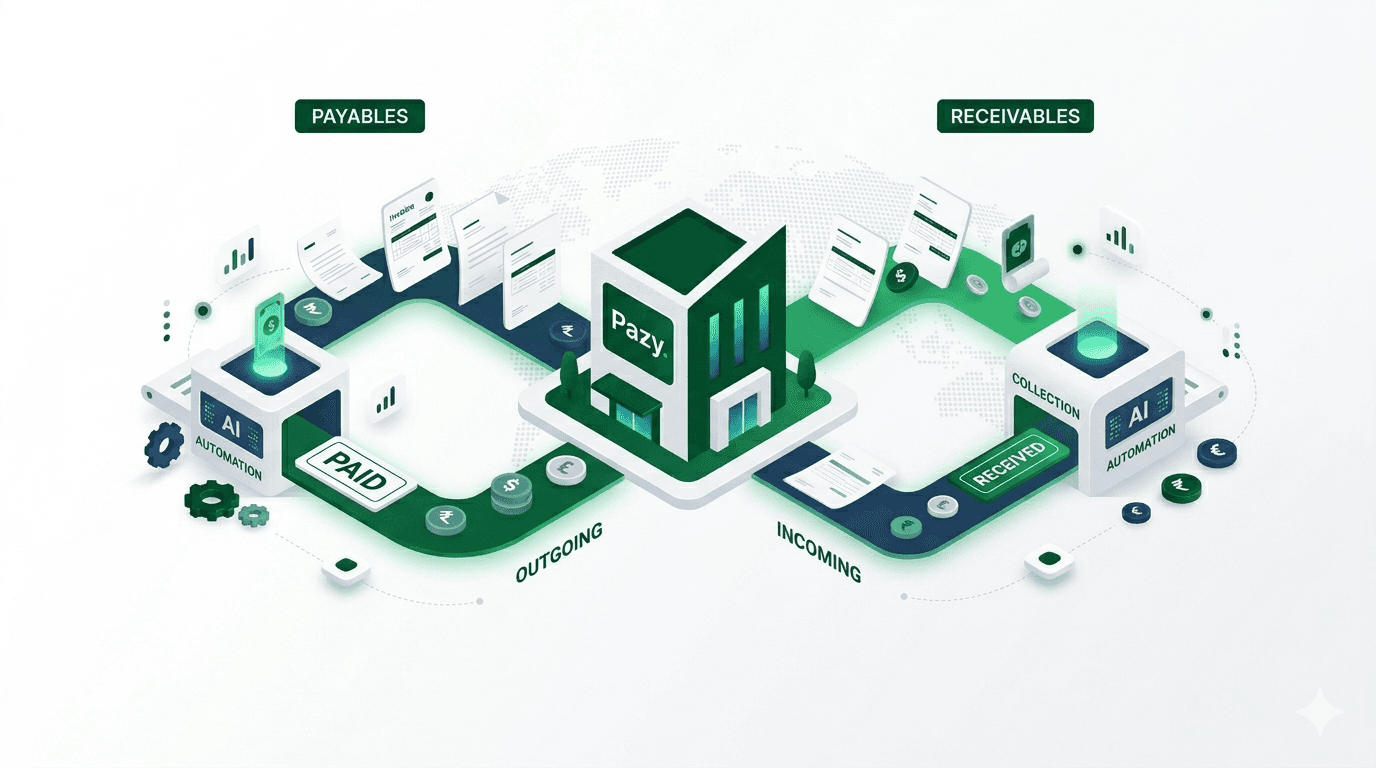
Managing cash flow effectively can make or break a business, yet 60% of Indian SMEs struggle with delayed payments and poor working capital management. At the heart of this challenge lies the critical relationship between payables and receivables – the money your business owes and the money owed to you.
Whether you're running a manufacturing unit in Gujarat or an IT services company in Bangalore, understanding how to optimise your payables and receivables directly impacts your bottom line. Poor management of these financial components can lead to cash crunches, strained supplier relationships, and missed growth opportunities.
Understanding Payables and Receivables: The Foundation of Business Finance
Accounts payable represents the money your business owes to suppliers, vendors, and service providers for goods or services received on credit. Think of it as your company's short-term debt obligations that typically need settlement within 30 to 90 days.
Accounts receivable, on the other hand, is the money customers owe your business for products delivered or services rendered on credit terms. This represents your company's right to receive payment and forms a crucial part of your current assets.
These two components work as the twin engines of working capital management. Working capital – calculated as current assets minus current liabilities – determines your business's ability to meet short-term obligations and fund day-to-day operations. When receivables come in faster than payables go out, your cash flow remains healthy.
The relationship between payables and receivables directly connects to double-entry bookkeeping principles. Every transaction affects at least two accounts: when you purchase inventory on credit, you increase both inventory (asset) and accounts payable (liability). When you sell that inventory on credit, you increase accounts receivable (asset) and sales revenue.
This interconnected system impacts your business operations in multiple ways. Extended payment terms with suppliers improve cash flow but may result in higher costs. Conversely, offering attractive credit terms to customers can boost sales but ties up working capital.
Accounts Payable: Managing What Your Business Owes
Accounts payable encompasses all short-term obligations your business has towards external parties. The most common components include supplier invoices for raw materials or finished goods, utility bills for electricity and telecommunications, monthly rent payments, and professional service fees from chartered accountants, legal advisors, or consultants.
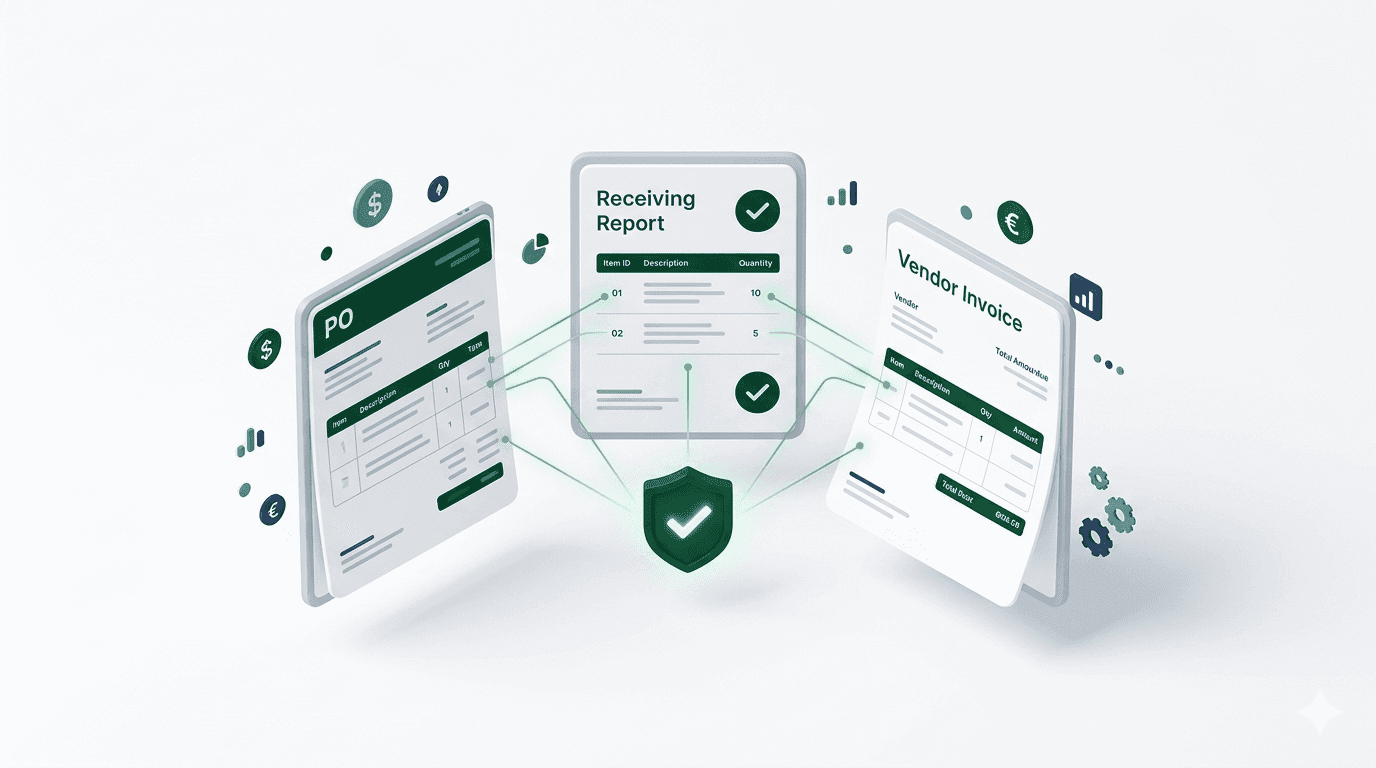
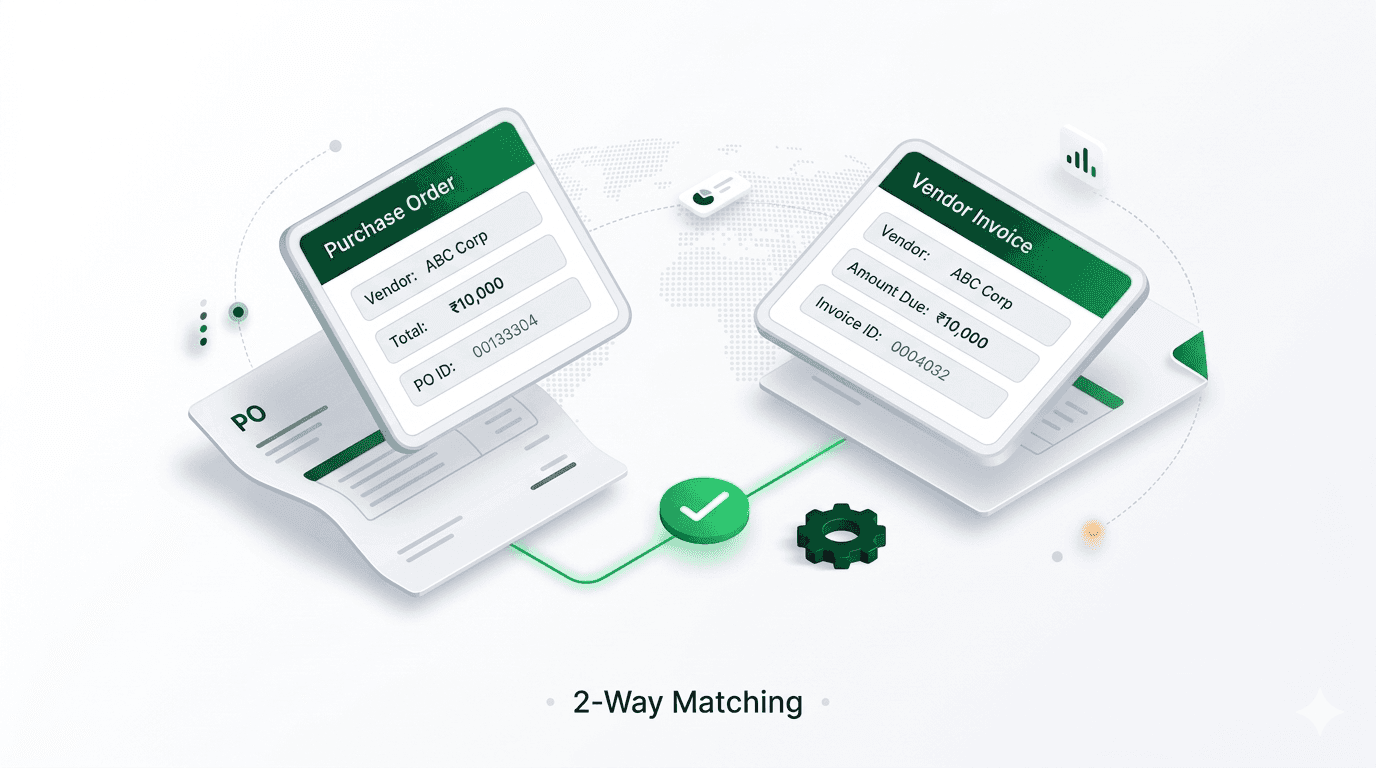
The payable lifecycle begins when your business receives goods or services and the corresponding invoice. This triggers the three-way matching process: comparing the purchase order, goods receipt note, and vendor invoice to ensure accuracy. Once verified, the invoice enters your approval workflow based on predefined authorization limits.
After approval, the invoice awaits payment according to agreed terms – whether that's net 30 days, 2/10 net 30 (2% discount if paid within 10 days), or other negotiated arrangements. The final step involves payment execution through various methods and subsequent reconciliation with bank statements.
Effective payables management significantly impacts supplier relationships. Consistently paying on time or early can unlock better credit terms, volume discounts, and priority treatment during supply shortages. Late payments, however, can damage relationships, result in interest charges, and potentially disrupt your supply chain.
Accounts Payable Process in Indian Context
Indian businesses must navigate specific compliance requirements when managing payables. GST compliance demands that businesses maintain detailed records of all purchases and ensure proper input tax credit claims. This includes verifying supplier GSTIN, matching invoices with GSTR-2A, and filing timely returns.
Tax Deducted at Source (TDS) adds another layer of complexity. When paying vendors for services like professional fees, rent exceeding ₹2.4 lakh annually, or contractor payments above ₹30,000, businesses must deduct TDS at prescribed rates and deposit it with the government within specified timelines.
Modern payment methods have revolutionised how Indian businesses handle payables. NEFT (National Electronic Funds Transfer) works well for scheduled payments, while RTGS (Real Time Gross Settlement) suits high-value urgent payments above ₹2 lakh. UPI for Business has gained traction for smaller vendor payments due to its instant settlement and lower costs.
Vendor onboarding requires thorough documentation including PAN verification, bank account validation, and GST registration confirmation. Many businesses now use digital platforms to streamline this process and maintain a centralized vendor master database.
Accounts Receivable: Managing What Customers Owe You
Accounts receivable represents the credit extended to customers and forms a critical component of your current assets. Trade receivables arise from selling goods on credit, while service receivables come from providing services with deferred payment terms. Some businesses also manage advance payments received from customers, which technically creates a liability until goods are delivered or services rendered.
Receivables aging analysis categorises outstanding amounts by time periods: 0-30 days, 31-60 days, 61-90 days, and beyond 90 days. This analysis helps identify collection priorities and potential bad debts. Generally, receivables older than 90 days require immediate attention and may need provision for doubtful debts.
Collection strategies vary based on the aging bucket. For receivables within terms, gentle reminders suffice. For overdue amounts, escalated communication through phone calls, formal notices, and potentially engaging collection agencies becomes necessary. Some businesses offer early payment discounts to encourage faster collection.
Bad debt provisions follow accounting standards and tax regulations. Under Indian Accounting Standards, businesses must assess expected credit losses and create provisions accordingly. For tax purposes, actual write-offs are allowed as deductions when debts become irrecoverable and proper legal steps have been taken.
Receivables Management Under Indian Regulations
GST invoicing requirements mandate that businesses issue tax invoices within prescribed timelines – generally within 30 days of supply for goods and at the time of supply for services. These invoices must contain mandatory fields including GSTIN, HSN/SAC codes, and proper tax calculations.
Tax Collected at Source (TCS) provisions apply to certain receivables, particularly for e-commerce operators collecting from sellers. Businesses exceeding specified thresholds must collect TCS at prescribed rates and deposit with the government.
Export receivables fall under FEMA (Foreign Exchange Management Act) compliance. Exporters must realise export proceeds within specified periods – typically 12 months from the date of export. Non-compliance can result in penalties and restrictions on future export activities.
Digital payment adoption has significantly improved collection efficiency for Indian businesses. UPI, digital wallets, and online payment gateways enable customers to pay instantly, reducing collection periods and improving cash flow. Many businesses now offer multiple payment options to enhance customer convenience.
Key Differences Between Payables and Receivables
The fundamental differences between payables and receivables extend beyond simple definitions. On the balance sheet, accounts payable appears under current liabilities, representing obligations due within one year. Accounts receivable features under current assets, representing money expected to be collected within the same period.
Cash flow impact differs significantly: payables represent cash outflows that businesses want to optimise by extending payment terms without damaging supplier relationships. Receivables represent cash inflows that businesses want to accelerate through efficient collection processes and attractive payment terms.
Management priorities also diverge. For payables, the focus lies on payment optimisation – ensuring timely payments to maintain good supplier relationships while maximising cash retention. For receivables, collection efficiency takes precedence – minimising days sales outstanding while maintaining customer satisfaction.
Risk factors present different challenges. Payables risks include supplier disputes over invoice accuracy, early payment discount calculations, and compliance violations leading to penalties. Receivables risks encompass customer defaults, bad debts, and extended collection periods that strain working capital.
Working Capital Management: Balancing Payables and Receivables
The cash conversion cycle measures how long it takes to convert investments in inventory and receivables back into cash. It's calculated as Days Sales Outstanding (DSO) plus Days Inventory Outstanding (DIO) minus Days Payable Outstanding (DPO). A shorter cycle indicates more efficient working capital management.
Days Payable Outstanding (DPO) measures how long your business takes to pay suppliers. The formula is: (Accounts Payable ÷ Cost of Goods Sold) × 365. A higher DPO indicates better cash flow management, but excessively high DPO might strain supplier relationships.
Days Sales Outstanding (DSO) measures how long customers take to pay. Calculate it as: (Accounts Receivable ÷ Net Credit Sales) × 365. Lower DSO indicates efficient collection processes and better cash flow generation.
Optimising payment terms requires balancing cash flow needs with relationship management. Negotiating longer payment terms with suppliers while offering attractive terms to customers can improve working capital, but both strategies have limits and trade-offs.
Seasonal variations significantly impact working capital needs in India. Festival seasons like Diwali boost sales but also increase inventory requirements and receivables. Monsoon seasons might affect supply chains and payment patterns. Understanding these cycles helps businesses plan their working capital requirements better.
Industry-Specific Considerations in India
Manufacturing sector businesses typically maintain significant raw material payables with suppliers while managing finished goods receivables from distributors and retailers. The key challenge lies in synchronising procurement cycles with sales cycles to optimise working capital.
IT services companies often deal with milestone-based receivables where payments are tied to project deliverables. Vendor payables typically include software licenses, infrastructure costs, and subcontractor payments. Managing cash flow becomes crucial when milestone payments are delayed.
Retail businesses maintain inventory payables with suppliers and manufacturers while managing customer receivables from credit sales and corporate accounts. The focus remains on inventory turnover and minimising receivables through cash sales and quick payment terms.
Healthcare sector entities manage insurance receivables that often have longer collection cycles due to claim processing requirements. Equipment payables for medical devices and pharmaceutical supplies require careful management due to critical nature of supplies.
Common Challenges in Payables and Receivables Management
Manual processing remains a significant challenge for many Indian businesses. Paper-based invoice processing leads to delays, errors, and lost documents. Manual data entry increases the risk of mistakes in amounts, dates, and account codes, leading to reconciliation issues and payment delays.
Lack of visibility into payment status creates operational inefficiencies. Without real-time tracking, businesses struggle to know which invoices are pending approval, which payments are due, and what the current cash position looks like. This opacity makes cash flow forecasting extremely difficult.
Compliance issues with GST and TDS create additional challenges. Keeping track of different tax rates, input tax credit eligibility, and TDS deduction requirements across various vendor categories requires systematic processes and regular updates on regulatory changes.
Poor communication with suppliers and customers exacerbates collection and payment issues. Without automated reminders and status updates, businesses rely on manual follow-ups that are time-consuming and inconsistent.
Technology Solutions for Modern Finance Teams
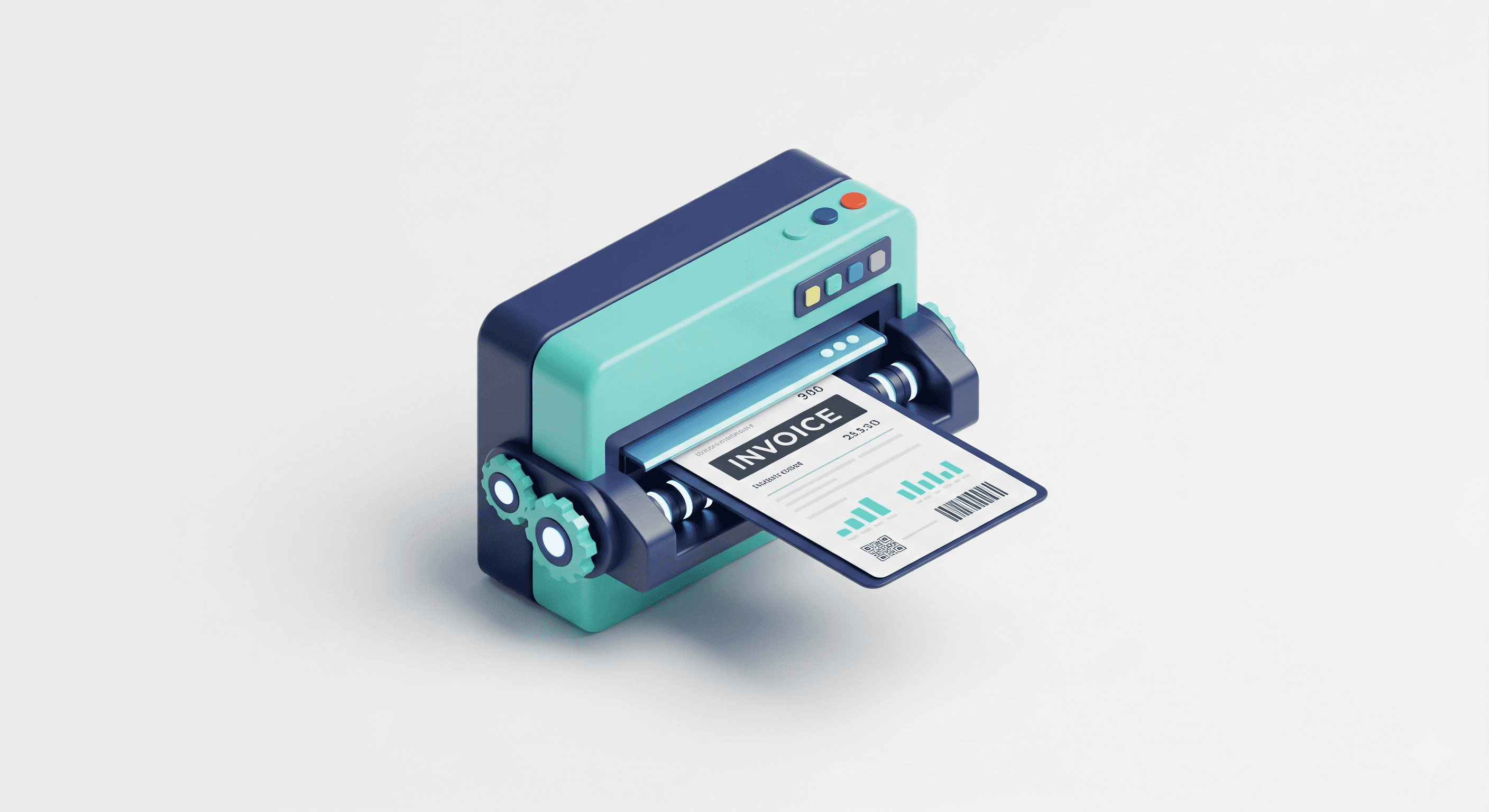
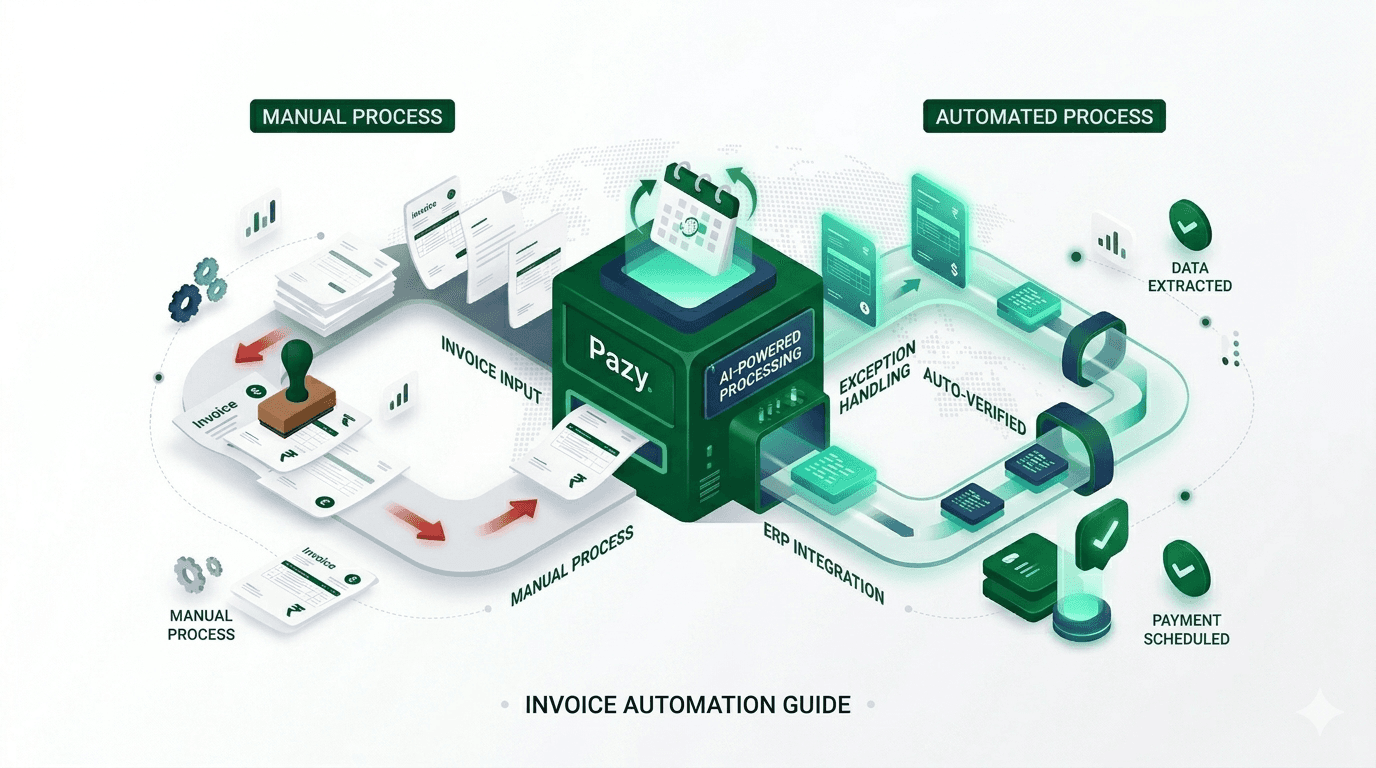
Automated invoice processing solutions can transform payables management by digitising paper invoices, extracting key data using OCR technology, and routing them through predefined approval workflows. This reduces processing time from days to hours while minimising errors.
Real-time dashboards provide comprehensive visibility into payables and receivables status. Finance teams can track aging reports, cash flow projections, and key performance indicators through intuitive interfaces that update automatically as transactions occur.
Integration capabilities with existing ERP systems and banking platforms eliminate manual data entry and ensure consistency across systems. Modern solutions like Pazy offer seamless integration with popular accounting software and banking APIs for automated reconciliation.
AI-powered insights help businesses forecast cash flow more accurately by analysing historical patterns, seasonal trends, and customer payment behaviours. These insights enable proactive working capital management and better financial planning.
Best Practices for Efficient Payables and Receivables Management
Establishing clear credit policies forms the foundation of effective receivables management. Define credit limits based on customer creditworthiness, set standard payment terms, and communicate these policies clearly to sales teams and customers. Regular review and updates ensure policies remain relevant and effective.
Regular reconciliation and aging analysis should be conducted monthly or even weekly for high-volume businesses. This practice helps identify discrepancies early, prioritise collection efforts, and maintain accurate financial records. Automated aging reports save time and provide consistent formatting.
Vendor and customer relationship management extends beyond transactions. Regular communication about payment status, early payment discount programmes, and prompt resolution of disputes help maintain positive relationships that benefit long-term business operations.
Compliance monitoring requires systematic tracking of GST filings, TDS payments, and regulatory deadlines. Automated compliance alerts and audit trails help businesses stay compliant while reducing the risk of penalties and interest charges.
Measuring Success: Key Performance Indicators and Metrics
Financial ratios provide insights into overall liquidity and working capital efficiency. The current ratio (current assets ÷ current liabilities) should typically exceed 1.0, indicating sufficient current assets to cover short-term obligations. The quick ratio excludes inventory from current assets, providing a more conservative liquidity measure.
Working capital turnover (Net Sales ÷ Average Working Capital) measures how efficiently businesses use working capital to generate revenue. Higher ratios indicate better efficiency, though industry benchmarks vary significantly across sectors.
Operational metrics focus on process efficiency. Invoice processing time measures how quickly invoices move from receipt to payment approval. Error rates track accuracy in data entry and processing. Approval cycle times indicate workflow efficiency and potential bottlenecks.
Compliance metrics ensure regulatory adherence. On-time GST filing rates, TDS compliance percentages, and penalty avoidance records help businesses track their compliance performance. Regular monitoring of tax compliance prevents costly violations.
Industry benchmarking helps businesses understand their performance relative to peers. DSO benchmarks vary by industry: IT services typically maintain 45-60 days, while manufacturing might see 60-90 days. Understanding these benchmarks helps set realistic targets and identify improvement opportunities.
Frequently Asked Questions
What is the difference between accounts payable and accounts receivable?
Accounts payable represents money your business owes to suppliers and vendors for goods or services received on credit. It appears as a current liability on your balance sheet. Accounts receivable represents money customers owe your business for products or services provided on credit terms, appearing as a current asset. The key difference lies in the direction of cash flow: payables result in cash outflows when paid, while receivables generate cash inflows when collected.
How do payables and receivables affect cash flow management?
Payables and receivables directly impact your cash conversion cycle and overall liquidity. Extended payment terms with suppliers (higher DPO) improve cash flow by keeping money in your business longer. Faster collection of receivables (lower DSO) accelerates cash inflows. The optimal strategy balances these factors: negotiate longer payment terms with suppliers while implementing efficient collection processes for receivables. Poor management of either component can create cash flow crunches that affect business operations.
What are the GST implications for managing payables and receivables in India?
GST compliance requires businesses to maintain detailed records of all payables and receivables. For payables, you must verify supplier GSTIN, ensure proper input tax credit claims, and match purchase invoices with GSTR-2A. For receivables, you must issue compliant tax invoices within prescribed timelines, include mandatory fields like HSN/SAC codes, and file accurate GSTR-1 returns. Non-compliance can result in input tax credit reversals, interest charges, and penalties that directly impact your bottom line.
How can businesses automate their payables and receivables processes?
Automation solutions can streamline both payables and receivables management through several approaches. For payables, implement automated invoice processing that digitises paper invoices, extracts data using OCR technology, and routes them through approval workflows. For receivables, use automated invoicing systems that generate and send invoices based on delivery confirmations or service completions. Integrated platforms like Pazy offer comprehensive automation that handles both processes while maintaining compliance with Indian regulations and providing real-time visibility into cash flow positions.
What are the key metrics to track for effective payables and receivables management?
Essential metrics include Days Payable Outstanding (DPO) and Days Sales Outstanding (DSO) for timing analysis, current ratio and quick ratio for liquidity assessment, and working capital turnover for efficiency measurement. Operational metrics like invoice processing time, approval cycle duration, and error rates help identify process improvements. Compliance metrics such as on-time GST filing rates and TDS compliance percentages ensure regulatory adherence. Industry-specific benchmarks help evaluate performance: manufacturing typically sees DSO of 60-90 days, while IT services maintain 45-60 days.
Effective management of payables and receivables forms the cornerstone of successful business operations in India's dynamic market environment. The intricate balance between what you owe and what you're owed directly determines your working capital efficiency, cash flow stability, and ultimately, your business's ability to grow and thrive.
The key lies in understanding that payables and receivables aren't just accounting entries – they represent relationships with suppliers and customers that require careful nurturing. By implementing systematic processes, leveraging technology solutions, and maintaining compliance with Indian regulations, businesses can transform these financial components from operational challenges into competitive advantages.
Success in managing payables and receivables requires a holistic approach that combines process optimisation, technology adoption, and relationship management. Whether you're negotiating better payment terms with suppliers, implementing automated collection processes, or ensuring GST compliance, the goal remains constant: optimising working capital to fuel business growth while maintaining strong stakeholder relationships.
As Indian businesses continue to digitalise and scale, those who master the art and science of payables and receivables management will find themselves better positioned to navigate market uncertainties, capitalise on growth opportunities, and build sustainable competitive advantages in their respective industries.
OTHER BLOGS