Automation Playbooks
Payables Automation: Complete Guide to AP Automation
Discover how payables automation transforms AP processes. Learn benefits, implementation strategies, and ROI metrics for modern finance teams.

Managing accounts payable manually is like trying to navigate a maze blindfolded—time-consuming, error-prone, and frustrating for everyone involved. Payables automation transforms this chaotic process into a streamlined, intelligent system that handles everything from invoice capture to payment execution with minimal human intervention.
What is Payables Automation?
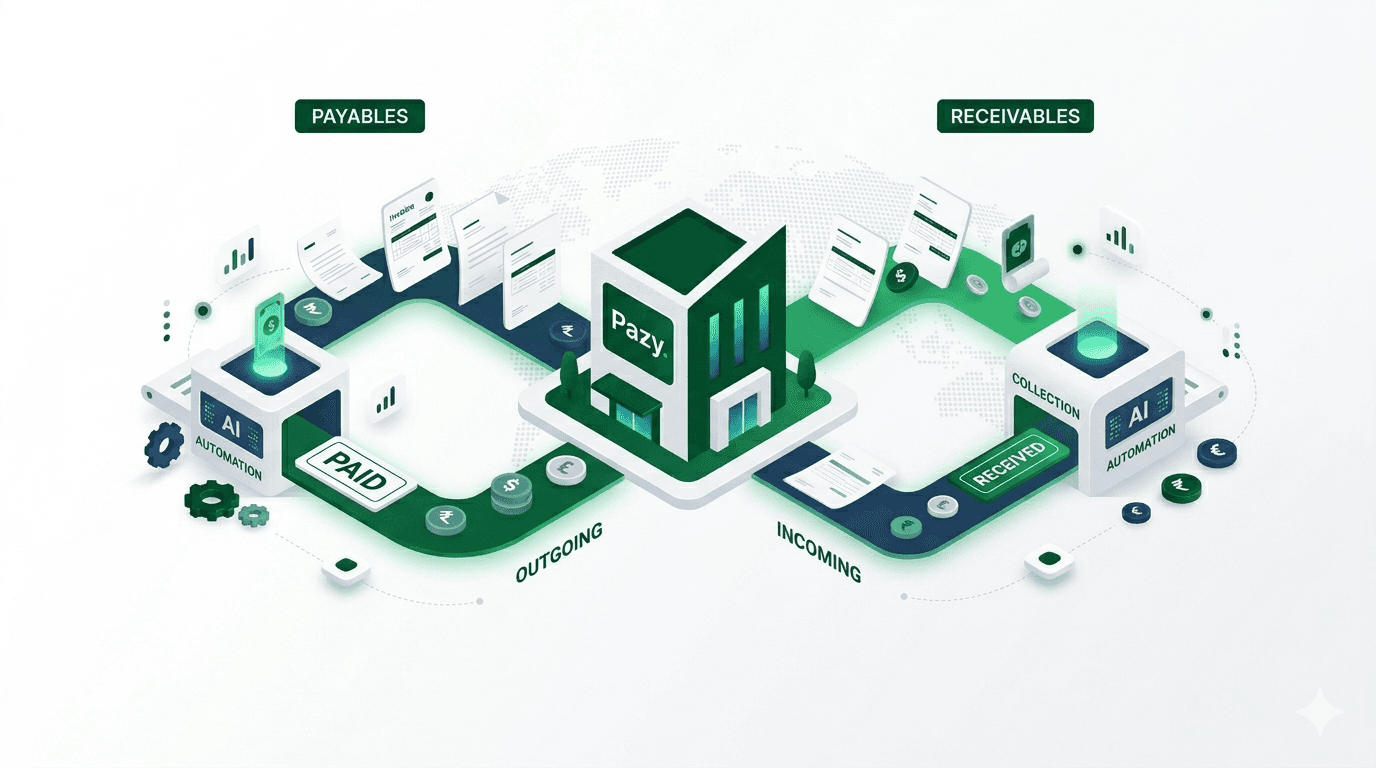
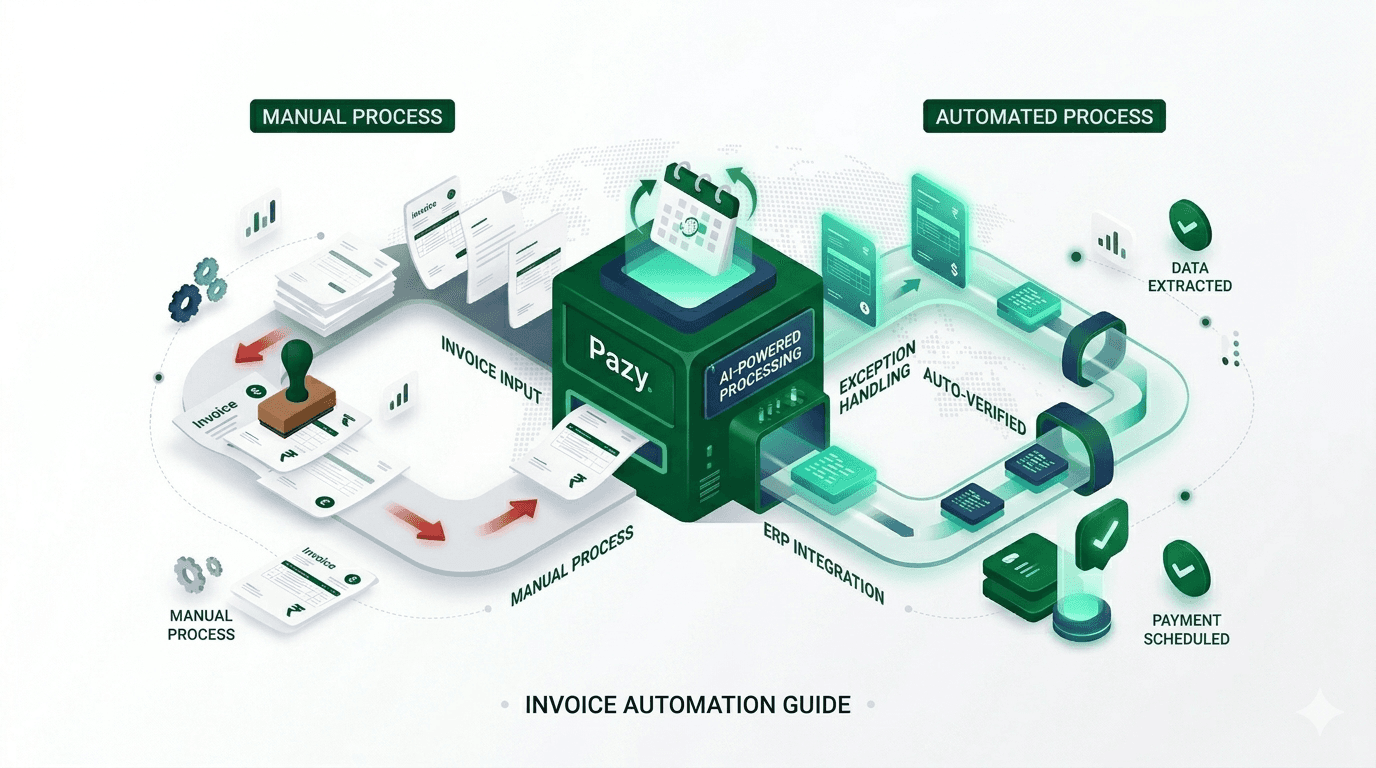
Payables automation represents a comprehensive digital transformation of traditional accounts payable processes. Unlike manual AP systems where invoices pile up on desks waiting for approval stamps and paper trails stretch across departments, automated systems digitize and orchestrate the entire workflow from vendor invoice receipt to final payment.
The core components of modern payables automation include:
Intelligent invoice capture: AI-powered systems that extract data from invoices regardless of format—PDF, email, paper, or EDI
Automated approval workflows: Smart routing based on predefined rules, amounts, and organizational hierarchies
Integrated payment processing: Direct connectivity to banking systems for seamless payment execution
Exception management: Automated flagging and routing of invoices requiring human attention
Artificial intelligence and machine learning serve as the backbone of modern AP automation platforms. These technologies continuously learn from historical data to improve accuracy in data extraction, predict approval patterns, and identify potential fraud or errors. Machine learning algorithms can recognize vendor-specific invoice formats, understand approval preferences, and even predict cash flow requirements based on payment terms and historical patterns.
Integration capabilities with existing ERP systems like SAP, Oracle, or NetSuite ensure that automated processes sync seamlessly with broader financial operations, maintaining data consistency across all business systems.
Key Benefits of Payables Automation
The financial impact of implementing payables automation extends far beyond simple cost savings. Organizations typically experience a 60-80% reduction in invoice processing costs, transforming a traditionally expensive back-office function into a competitive advantage.
Time savings represent perhaps the most immediately visible benefit. Manual invoice processing that once took 7-10 days now completes in hours or even minutes. This acceleration stems from eliminating manual data entry, reducing approval bottlenecks, and automating routine decisions.
Accuracy improvements are equally dramatic. Human error rates in manual data entry typically range from 1-5%, while automated systems achieve 95-99% accuracy rates. This precision eliminates costly mistakes, reduces vendor disputes, and ensures financial records remain reliable for reporting and compliance purposes.
Vendor relationships strengthen significantly when payments become predictable and timely. Automated systems can capitalize on early payment discounts, often recovering 2-3% of invoice values while improving supplier satisfaction. Better cash flow management emerges naturally as organizations gain real-time visibility into upcoming payment obligations and can optimize working capital more effectively.
Compliance and audit capabilities transform from reactive exercises into proactive advantages. Digital audit trails capture every action, approval, and modification, creating comprehensive documentation that satisfies regulatory requirements while simplifying audit processes.
Essential Features of Modern AP Automation Platforms
Successful payables automation platforms distinguish themselves through sophisticated feature sets that address real-world business complexity. AI-powered invoice data extraction represents the foundation, utilizing optical character recognition (OCR) and natural language processing to interpret invoices from any vendor, regardless of format variations.
Customizable approval workflows accommodate organizational complexity without sacrificing efficiency. Modern platforms support multi-level approvals, delegation rules, and exception handling that mirrors existing business processes while eliminating manual handoffs.
Real-time visibility dashboards provide stakeholders with immediate access to critical information: pending approvals, payment schedules, vendor performance metrics, and budget utilization. These insights enable proactive decision-making rather than reactive problem-solving.
Multi-entity and multi-currency support becomes essential for organizations operating across geographic boundaries. Platforms must handle varying tax requirements, currency conversions, and local compliance regulations seamlessly.
Mobile accessibility ensures approval processes never stall due to travel schedules or remote work arrangements. Managers can review and approve invoices from anywhere, maintaining process velocity regardless of physical location.
Fraud detection capabilities utilize machine learning to identify suspicious patterns, duplicate invoices, or unusual vendor behavior. These security measures protect organizations from both external fraud and internal control failures.
Integration Capabilities That Matter
Modern businesses operate through interconnected systems, making integration capabilities critical for successful automation implementation. ERP connectivity ensures that invoice data, vendor information, and payment records synchronize automatically with financial systems, eliminating duplicate data entry and maintaining consistency across platforms.
Banking and payment platform integrations enable straight-through processing from invoice approval to payment execution. This connectivity supports various payment methods—ACH, wire transfers, virtual cards, or checks—while maintaining security and compliance standards.
Procurement and expense management alignment creates comprehensive spend visibility. Organizations can track commitments from purchase orders through final payment, enabling better budget control and vendor performance analysis.
API flexibility accommodates custom integrations with industry-specific systems or proprietary applications, ensuring automation platforms adapt to existing technology investments rather than requiring wholesale system replacement.
Implementation Strategy: From Planning to Success
Successful payables automation implementation requires methodical planning and execution. Pre-implementation assessment involves mapping current processes, identifying pain points, and establishing baseline metrics for measuring improvement. This analysis reveals automation opportunities and potential challenges before they impact implementation timelines.
Stakeholder buy-in proves critical for long-term success. Finance teams, procurement departments, and IT groups must understand how automation benefits their specific roles while addressing concerns about job displacement or process changes. Change management strategies should emphasize how automation eliminates tedious manual work while creating opportunities for higher-value activities.
Data migration and system configuration demand careful attention to vendor master data quality, chart of accounts mapping, and approval workflow design. Clean, accurate data ensures automation systems function optimally from day one, while thoughtful configuration accommodates business requirements without unnecessary complexity.
Pilot program execution allows organizations to test automation capabilities with limited scope and risk. Starting with a single entity, vendor type, or invoice category enables teams to refine processes and build confidence before full-scale deployment.
Training and adoption strategies must address varying comfort levels with technology while demonstrating clear benefits for each user group. Comprehensive training programs, ongoing support, and success celebration help drive adoption and maximize automation value.
ROI Calculation and Performance Metrics
Quantifying the return on investment from payables automation requires examining multiple cost categories and benefit streams. Processing cost reductions typically range from $12-25 per invoice, considering labor savings, reduced paper and storage costs, and eliminated manual errors.
Time-to-value expectations vary based on implementation scope and organizational complexity. Most organizations achieve positive ROI within 6-12 months, with full benefits realized within 18-24 months. Early wins often emerge from reduced late payment penalties and captured early payment discounts.
Key performance indicators should track both efficiency gains and strategic improvements:
Invoice processing time reduction (typically 70-90%)
Cost per invoice processed
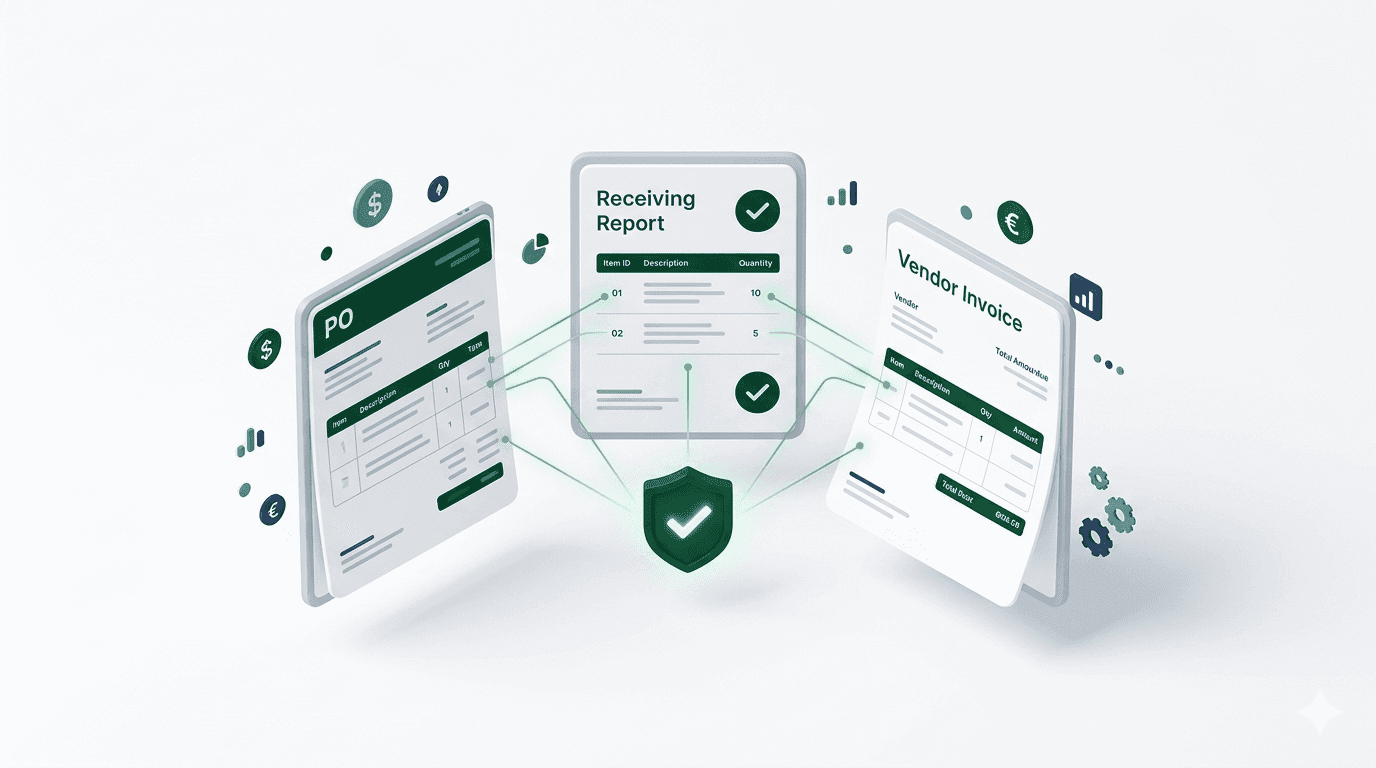
First-time match rates for three-way matching
Early payment discount capture rates
Vendor inquiry reduction
Audit preparation time savings
Real-world ROI examples demonstrate substantial returns. A mid-size manufacturing company reduced invoice processing costs from $18 to $3 per invoice while improving processing time from 8 days to 2 hours. Their annual savings exceeded $200,000 while improving vendor relationships and cash flow management.
Common Implementation Challenges and Solutions
Data quality issues frequently emerge as the primary implementation obstacle. Vendor master data inconsistencies, duplicate vendor records, and incomplete information can derail automation efforts. Successful implementations include comprehensive data cleansing phases and establish ongoing data governance processes.
User adoption resistance often stems from fear of job displacement or skepticism about technology reliability. Addressing these concerns requires transparent communication about role evolution, comprehensive training programs, and demonstrating quick wins that make users' jobs easier rather than obsolete.
Complex approval hierarchies and exception handling present technical challenges that require careful workflow design. Organizations must balance automation efficiency with necessary human oversight, particularly for high-value or unusual transactions.
Integration complexity with legacy systems can extend implementation timelines and increase costs. Working with experienced implementation partners and maintaining realistic timeline expectations helps navigate these technical challenges while ensuring long-term system stability.
Compliance and regulatory considerations vary by industry and geography. Successful implementations involve legal and compliance teams early in the process to ensure automation systems meet all regulatory requirements while maintaining audit trail integrity.
Future of Payables Automation: Trends and Innovations
Advanced AI capabilities continue expanding beyond basic data extraction toward predictive analytics and intelligent decision-making. Future systems will predict cash flow requirements, recommend optimal payment timing, and identify cost-saving opportunities automatically.
Blockchain technology promises enhanced payment verification and supplier verification capabilities. Smart contracts could automate payment execution based on predefined conditions while providing immutable audit trails for compliance purposes.
Real-time payments and instant settlements are becoming standard expectations rather than premium features. Integration with faster payment networks enables immediate supplier payments while improving cash flow predictability for both parties.
Enhanced mobile and cloud capabilities continue expanding accessibility and scalability. Cloud-native platforms offer superior flexibility and reduced IT overhead while mobile-first designs ensure process continuity regardless of work location.
Sustainability and ESG reporting integration addresses growing corporate responsibility requirements. Future automation platforms will track carbon footprints of supplier relationships, support diverse supplier initiatives, and provide comprehensive sustainability reporting capabilities.
Frequently Asked Questions
How much does payables automation typically cost?
Implementation costs vary significantly based on organization size and complexity. Small businesses can expect $15,000-50,000 for initial setup, while enterprise implementations range from $100,000-500,000. Monthly subscription fees typically run $2-8 per invoice processed, making the investment scalable with business growth.
What is the average implementation timeline for AP automation?
Most implementations complete within 3-6 months for standard configurations. Complex organizations with multiple entities, currencies, or extensive customization requirements may require 6-12 months. Pilot programs can launch within 4-8 weeks to demonstrate value quickly.
Can payables automation work with our existing ERP system?
Modern automation platforms integrate with virtually all major ERP systems including SAP, Oracle, NetSuite, Microsoft Dynamics, and QuickBooks. Pre-built connectors handle standard integrations, while APIs enable custom connections for proprietary or industry-specific systems.
How does AI improve accounts payable processing?
AI enhances AP processing through intelligent data extraction, automated coding suggestions, fraud detection, and predictive analytics. Machine learning algorithms continuously improve accuracy while reducing manual intervention requirements. Advanced AI can predict approval patterns and optimize payment timing for maximum cash flow benefit.
What ROI can we expect from implementing AP automation?
Organizations typically achieve 300-500% ROI within two years through reduced processing costs, eliminated late fees, captured early payment discounts, and improved productivity. Cost savings of $8-20 per invoice are common, while time savings often exceed 80% for standard invoice processing.
Is payables automation suitable for small businesses?
Absolutely. Cloud-based automation platforms offer scalable solutions starting with basic invoice processing for small businesses. Even processing 50-100 invoices monthly can justify automation costs through time savings and error reduction. Many platforms offer tiered pricing that grows with business needs.
Payables automation represents more than technological advancement—it's a strategic transformation that eliminates administrative burden while creating competitive advantages. Organizations that embrace automation position themselves for sustainable growth, improved vendor relationships, and enhanced financial control. The question isn't whether to automate, but how quickly you can realize these transformative benefits.
OTHER BLOGS